

 Trupti Thakur
 #digitaltrust #crises #future #cybersecurity #deepfake #risks #digitaltrust #AI #security #cybersecurity #informationsecurity #digitalsecurity
The Digital Trust Crises
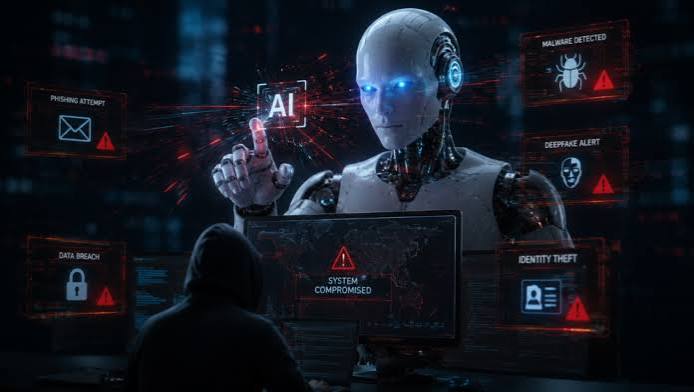
Introduction In today's digital world, trust is the foundation of every interaction. Organizations trust employees, customers trust brands, and businesses trust digital communication channels. However, the rapid advancement of Artificial Intelligence (AI) has created a new challenge that threatens this foundation: deepfakes. Deepfakes are AI-generated images, videos, and audio recordings that can convincingly imitate real people. What began as a technological novelty has evolved into a powerful tool capable of manipulating identities, spreading misinformation, and facilitating sophisticated cyberattacks. As deepfakes become increasingly realistic, organizations face a growing Digital Trust Crisis—a situation where it becomes difficult to distinguish genuine communication from fabricated content. The Evolution of Deepfake Technology Early deepfakes often contained visible flaws, making them relatively easy to detect. Today, advanced AI models can generate highly realistic voices, facial expressions, and video content with minimal effort. Cybercriminals no longer require extensive technical expertise or expensive resources to create convincing impersonations. With publicly available AI tools, attackers can replicate an individual's voice from just a few seconds of audio and generate realistic video content capable of deceiving employees, customers, and even security systems. How Deepfakes Are Fueling Cyber Threats Executive Impersonation Attacks One of the most concerning uses of deepfakes is executive impersonation. Attackers create fake audio or video messages that appear to come from senior executives, instructing employees to transfer funds, disclose confidential information, or approve unauthorized transactions. Traditional verification methods that rely on voice recognition are becoming increasingly unreliable in the face of AI-generated content. Social Engineering at Scale Cybercriminals have always exploited human trust. Deepfakes significantly enhance the effectiveness of social engineering attacks by adding a layer of authenticity that email phishing alone cannot achieve. Imagine receiving a video call from a colleague requesting access credentials or sensitive documents. If the video and voice appear genuine, many individuals may comply without suspicion. Disinformation and Brand Damage Organizations are also vulnerable to reputational attacks. A fabricated video of an executive making controversial statements or announcing false information can spread rapidly across social media platforms, causing financial and reputational harm before its authenticity can be challenged. Identity Verification Bypass Many organizations rely on facial recognition and voice authentication for identity verification. Sophisticated deepfakes can potentially bypass these controls, undermining trust in biometric security systems. Why This Is a Digital Trust Crisis The true danger of deepfakes extends beyond individual attacks. The broader issue is the erosion of trust itself. When people can no longer confidently verify whether a video, voice message, or online interaction is authentic, digital communication becomes inherently suspect. This phenomenon creates a "trust deficit" where: Employees question legitimate communications. Customers lose confidence in digital interactions. Organizations struggle to verify identities. Misinformation spreads more easily. Security controls become less effective. In essence, deepfakes challenge the assumption that seeing and hearing is believing. Building Resilience Against Deepfake Threats Organizations must adapt their security strategies to address this emerging risk. Strengthen Verification Processes Critical decisions involving financial transactions, access approvals, or sensitive information should require multiple verification methods rather than relying solely on voice or video communications. Promote Deepfake Awareness Security awareness programs should educate employees about deepfake technology, common attack scenarios, and verification procedures. Implement Zero Trust Principles Organizations should adopt a "verify before trust" approach, where all requests are validated through independent channels regardless of the apparent identity of the requester. Deploy AI-Based Detection Tools As deepfake technology advances, organizations can leverage AI-powered detection solutions designed to identify manipulated audio and video content. Establish Crisis Response Plans A rapid response framework can help organizations address deepfake incidents before misinformation causes significant damage. Conclusion Deepfakes represent more than just another cybersecurity threat—they challenge the very concept of digital trust. As AI-generated content becomes increasingly indistinguishable from reality, organizations must rethink how they verify identities, authenticate communications, and maintain confidence in digital interactions. The future of cybersecurity will not only depend on protecting systems and data but also on preserving trust in an environment where reality itself can be manipulated. Organizations that proactively address deepfake risks today will be better positioned to navigate the growing digital trust crisis of tomorrow. In the age of AI, trust is no longer assumed—it must be continuously verified.