

 Trupti Thakur
 #aitrainingrisks #organization #security #riskassessments #AIpractices #ISO27001importance #enhancement #compliance #digitalsecurity #AIsecurity #cybersecurity #informationsecurity
The AI Training Risks

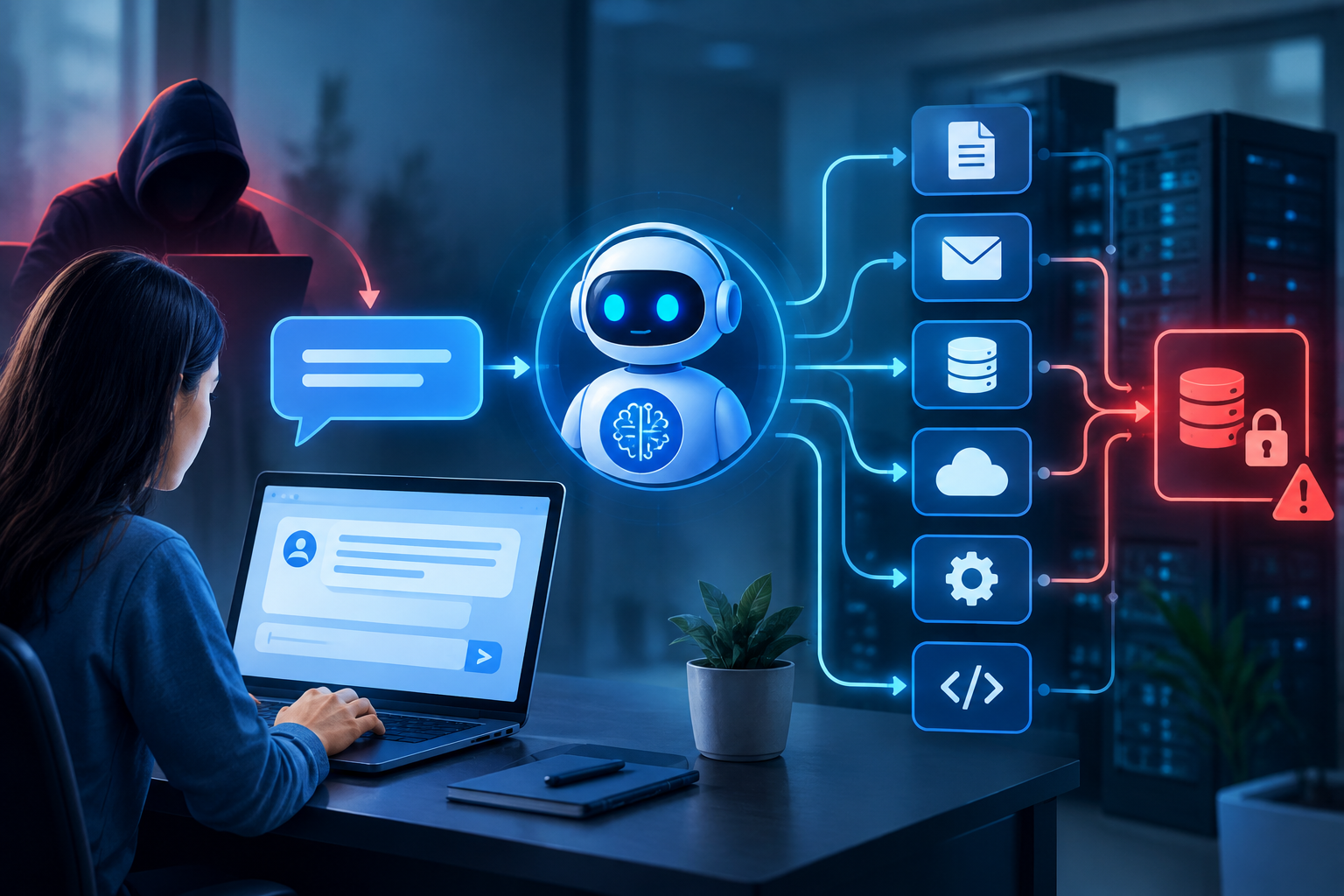
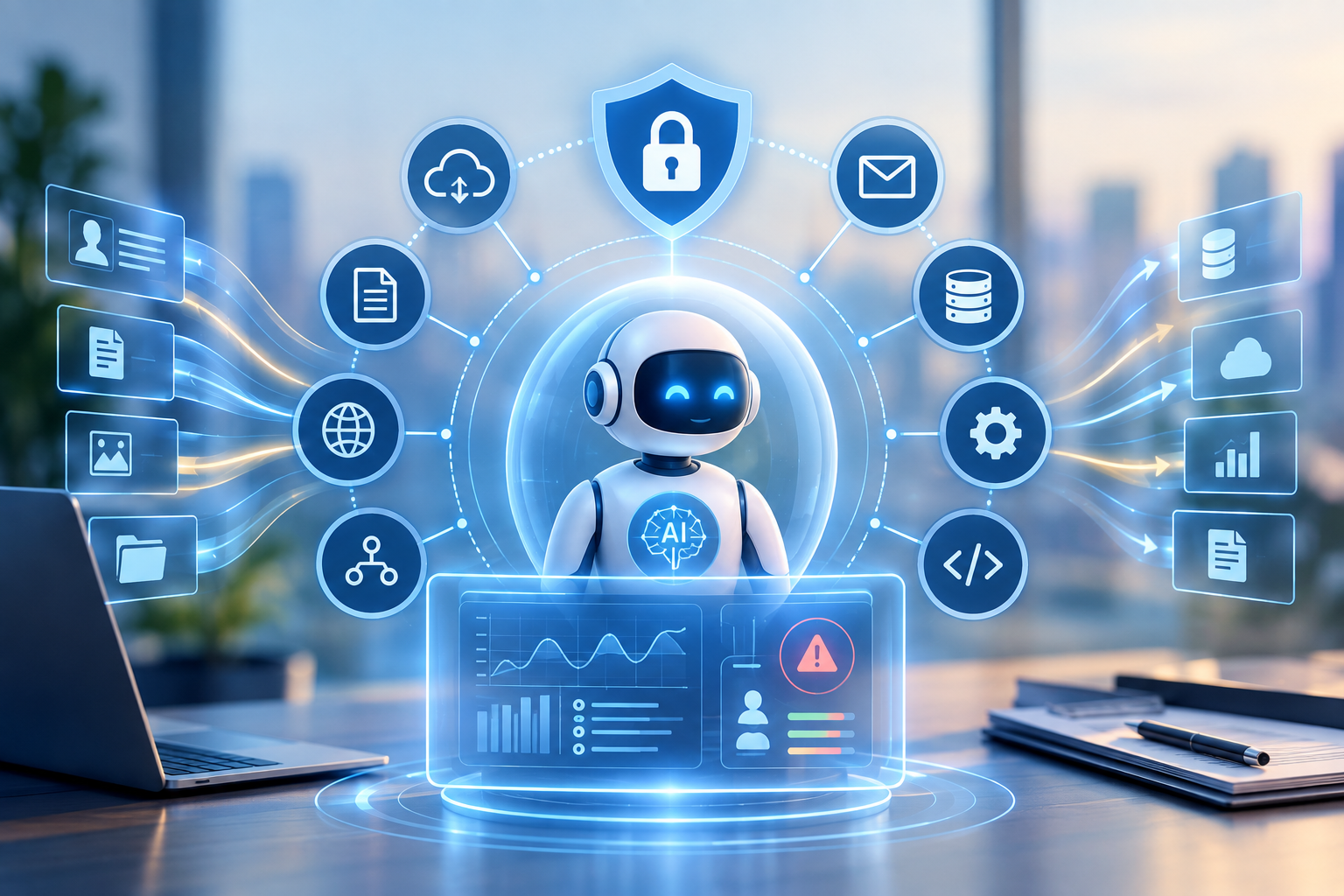
Your Data Is Training AI—But Who Really Owns It? Artificial Intelligence is evolving at an unprecedented pace—but behind every intelligent model lies something incredibly valuable: your data. Every prompt you type, every document you upload, every interaction you make with AI tools contributes—directly or indirectly—to training smarter systems. But this raises a critical question: Who owns the data that powers AI? And more importantly—who is securing it? The Hidden Risk: Data Exposure Through AI Organizations are rapidly adopting AI tools to boost productivity. However, in this rush, sensitive information—customer data, financial records, internal strategies—is often being shared with AI platforms without fully understanding where that data goes. This phenomenon, often referred to as “Shadow AI,” is creating a new, invisible attack surface. AI Training Risks You Can’t Ignore • Unintentional Data Leakage: Employees may input confidential data into AI tools, unknowingly exposing it. • Data Retention Uncertainty: Not all platforms clearly state how long your data is stored or reused. • Model Training Misuse: Your data could potentially be used to train future AI models. • Regulatory Non-Compliance: Sharing sensitive data may violate laws like GDPR or local data protection regulations. The Ownership Dilemma Unlike traditional systems, AI operates in a grey area. Once data is fed into a model, tracing ownership becomes complex. Is it still yours? Or does it become part of the AI ecosystem? This lack of clarity creates serious legal and ethical challenges, especially for organizations handling sensitive customer information. What Organizations Must Do Now • Establish clear AI usage policies • Restrict sharing of sensitive data with external AI tools • Conduct risk assessments aligned with ISO 27001 controls • Train employees on secure AI practices • Ensure vendors provide transparency on data handling