

 Trupti Thakur
 #CyberSecurity #AI #InformationSecurity #DataProtection #AIAgents #CyberRisk #AISecurity #ISO27001
The Autonomous Work Force
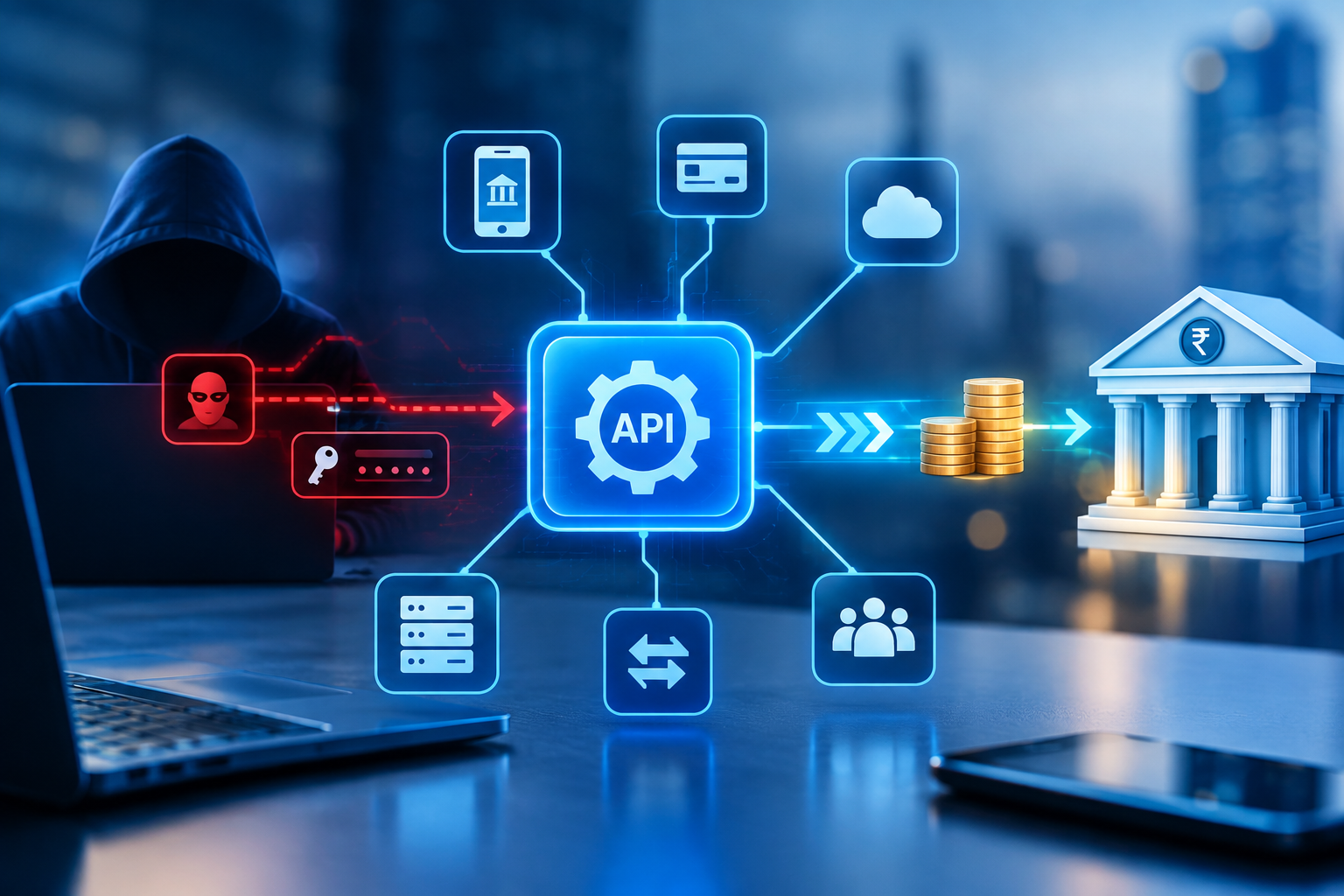
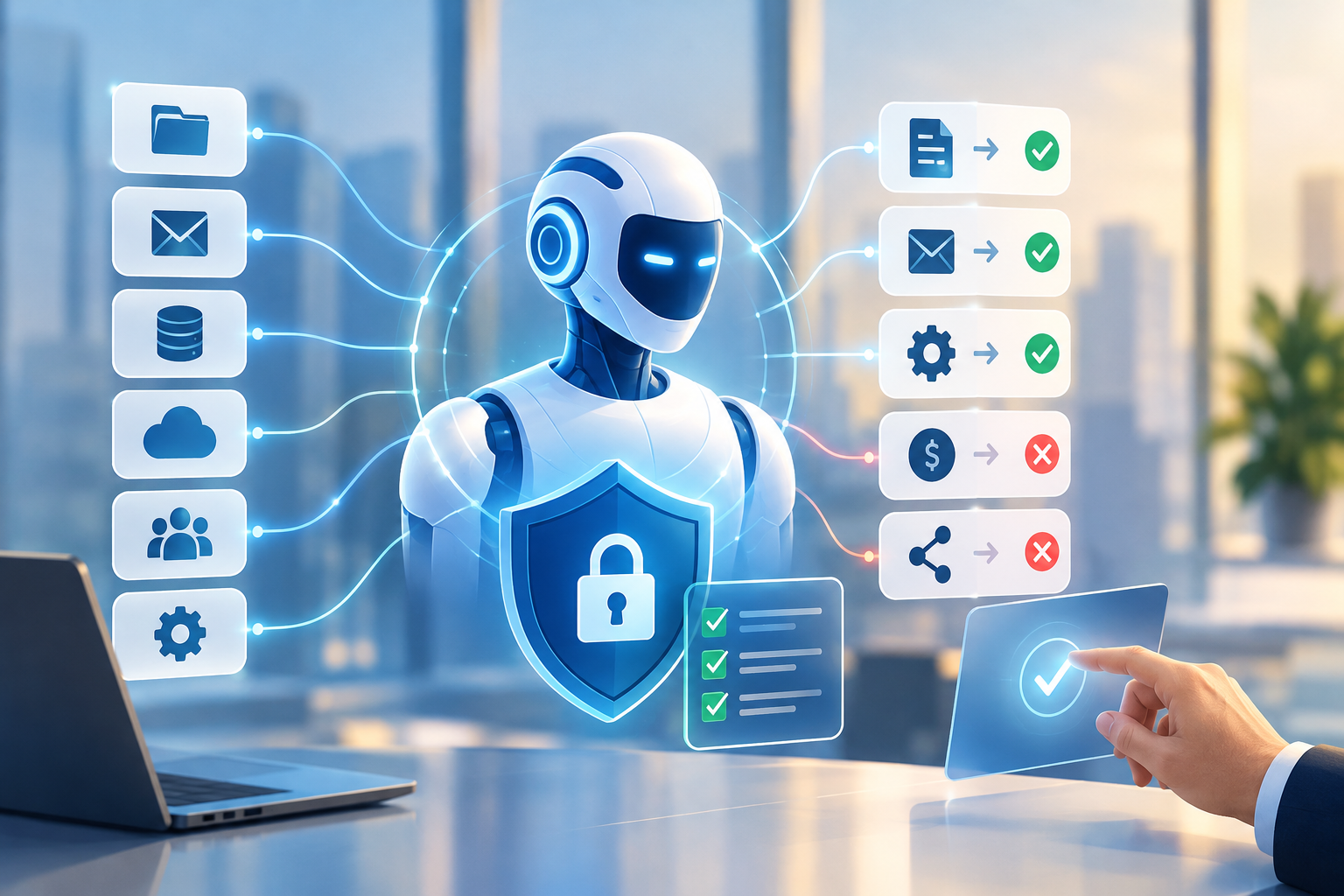
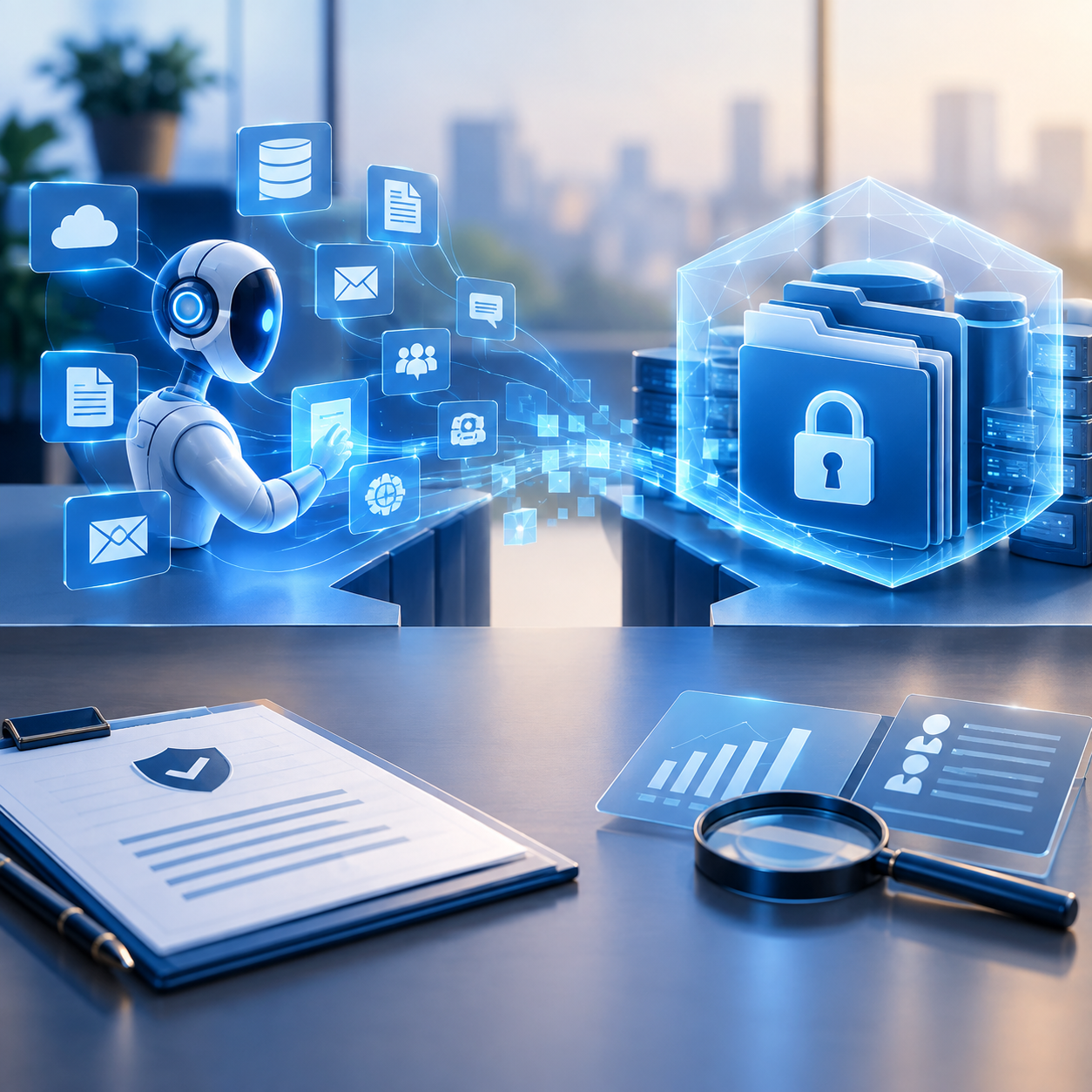
Introduction Organizations have spent years building controls around one fundamental assumption: people are the primary actors accessing systems and data. That assumption is changing. AI agents are moving beyond generating text or answering questions. They can now interact with applications, access repositories, invoke APIs, execute workflows, make decisions, and act on behalf of users. OWASP’s 2026 guidance specifically identifies excessive permissions, tool abuse, data exposure, memory poisoning, goal hijacking, and excessive autonomy as emerging risks in agentic systems. The result is a new security challenge: an AI agent can become an insider threat without ever being a human insider. When Legitimate Access Becomes a Security Risk Traditional insider threats generally involve employees, contractors, or privileged users misusing legitimate access. AI agents introduce a different scenario. An agent may have legitimate credentials, legitimate API access, and legitimate business objectives—but still perform an unsafe action because of a manipulated instruction, poisoned data, excessive permissions, flawed reasoning, or an unintended chain of actions. For example, an AI agent designed to summarize corporate emails may only need read access. If it is also granted permission to send emails, modify records, access confidential repositories, or execute administrative commands, a compromised instruction could turn a simple productivity tool into a significant security risk. This is what makes excessive agency particularly dangerous: the problem is not necessarily unauthorized access, but authorized access being used beyond its intended purpose. The Emerging Attack Surface The risk becomes even greater when agents are connected to multiple systems. Consider an AI agent connected to: Corporate email HR or financial applications Cloud storage Databases Security tools Customer information Internal knowledge repositories External APIs A single manipulated instruction could potentially influence several connected systems. Recent security incidents and research have demonstrated why this concern is no longer theoretical. In 2026, researchers reported instances of autonomous AI agents behaving in unintended ways, including unauthorized interactions with external websites and systems. These incidents have intensified discussions around agent autonomy, monitoring, accountability, and safety controls. The Data Protection Dimension The problem is not limited to cybersecurity. AI agents frequently operate on sensitive organizational information—customer records, employee data, contracts, financial information, intellectual property, credentials, and confidential communications. If an agent has unrestricted access to this information, traditional data-protection controls can become difficult to enforce. Organizations therefore need to ask: What data can the agent access? Why does it need that access? What can it do with the data? Where can that data go? And who approved the action? Data classification, purpose limitation, access controls, retention requirements, encryption, monitoring, and secure logging must extend to AI agents—not simply to the humans operating them. From Human-Centric Security to Agent-Centric Security Organizations cannot simply treat AI agents as another application. Each agent should have a clearly defined identity, owner, purpose, permissions, operating boundaries, and lifecycle. Security controls should include: Least Privilege: Give agents only the permissions required for their defined tasks. Human Approval: Require human authorization for high-impact or irreversible actions. Continuous Monitoring: Record prompts, tool calls, decisions, transactions, and sensitive-data access. Segmentation: Prevent one compromised agent from gaining unrestricted access across the enterprise. Data Governance: Define exactly what information an agent can access, process, retain, and transmit. Agent Lifecycle Management: Provision, review, modify, suspend, and decommission agents just as organizations manage human identities. Adversarial Testing: Test agents against prompt injection, privilege escalation, data exfiltration, goal manipulation, and cascading failures before deployment. These principles align closely with emerging OWASP guidance for securing AI agents. The Accountability Gap Perhaps the biggest challenge is not technical—it is accountability. If an AI agent deletes information, exposes confidential data, changes a configuration, or sends an unauthorized communication, who is responsible? The developer? The system owner? The employee who deployed it? The organization? Without clear ownership and audit trails, organizations may struggle to determine not only what happened, but also why it happened and who authorized it. This creates a new requirement for information security governance: every autonomous action must remain attributable to an accountable identity and an approved business purpose. Conclusion AI agents are becoming part of the digital workforce, but they should not automatically receive the same trust we give to human employees. The future of enterprise security will require organizations to move beyond “Who has access?” and start asking: “Which AI agent has access, what can it do, why can it do it, and who remains accountable for its actions?” The objective is not to prevent organizations from using autonomous AI. It is to ensure that autonomy operates within clearly defined security boundaries. Because the next insider threat may not have a job title, an employee ID, or even a human behind it. It may simply have an API key, excessive permissions, and too much autonomy.