

 Trupti Thakur
 #CyberSecurity #IdentitySecurity #AI #ZeroTrust #IAM #InformationSecurity #CyberRisk #AIsecurity
The New Cyber Security Blind Spot

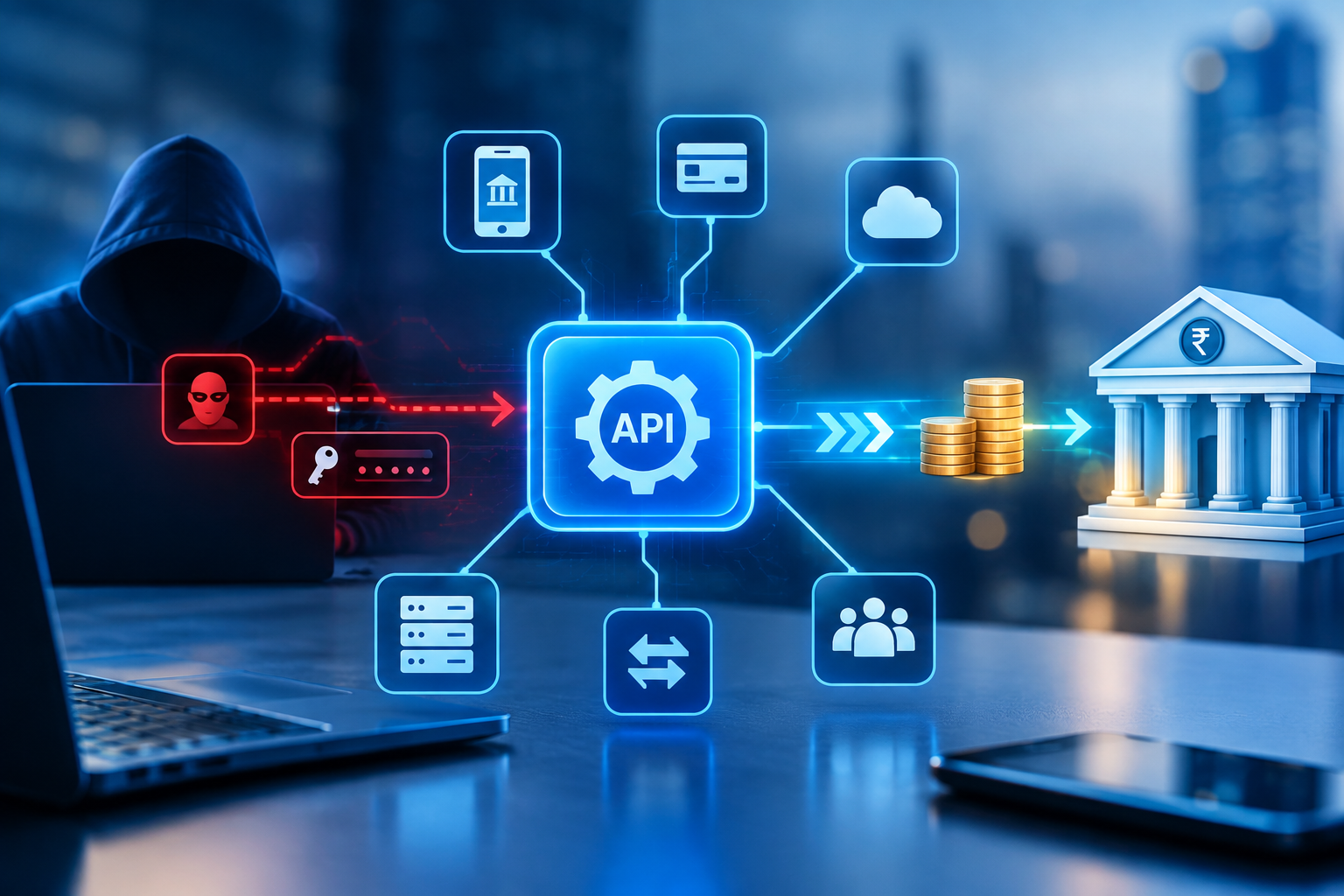
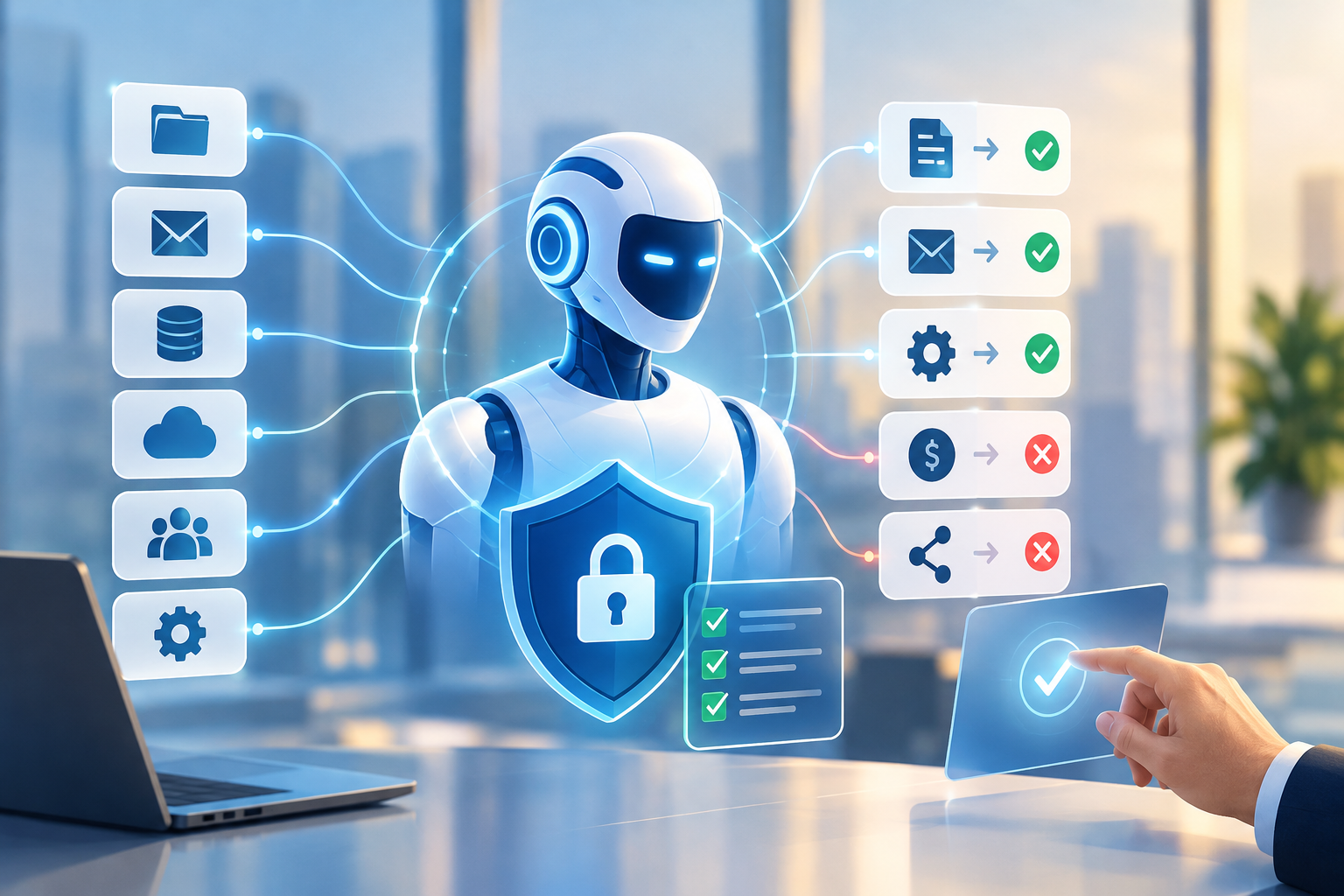
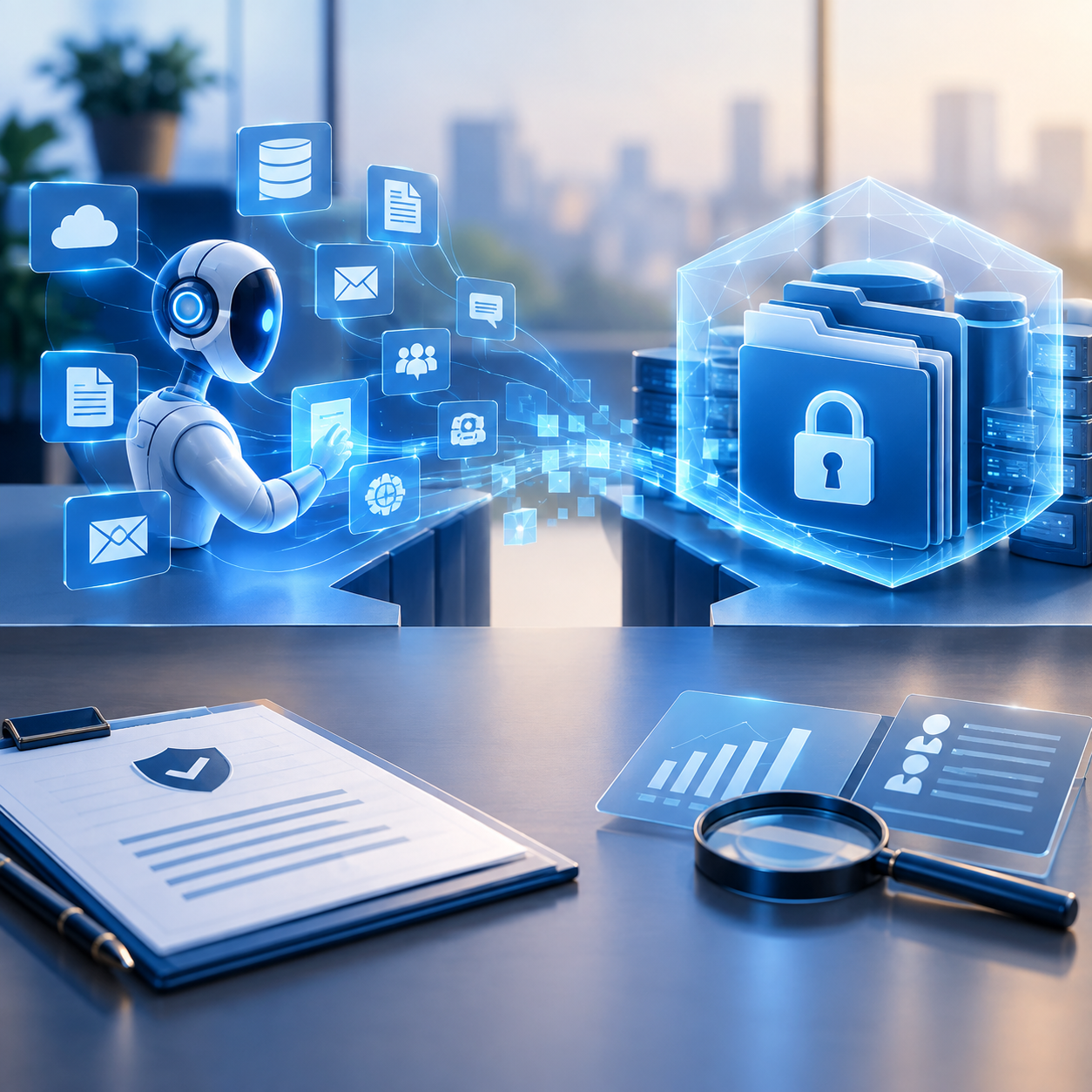
For decades, cybersecurity has been built around a simple assumption: people are the primary users of technology. We authenticate employees, enforce their permissions, monitor their activities, and remove their access when they leave. But that assumption is rapidly changing. Modern organizations are filled with identities that are not human—cloud workloads, APIs, service accounts, applications, bots, automation tools, and increasingly, AI agents. These systems can access databases, send emails, deploy applications, modify configurations, and make decisions with limited human intervention. The question is no longer simply “Who has access?” It is becoming: “What has access, on whose behalf, and what is it allowed to do?” The Rise of Machine Identities Machine identities are not new. Service accounts and API credentials have supported enterprise automation for years. The problem is that their importance and number are growing faster than many organizations' ability to govern them. Unlike human identities, machine identities may operate continuously. They can be embedded in applications, connected to multiple systems, and sometimes remain active long after the original business requirement has disappeared. A forgotten service account with excessive privileges may become an invisible pathway into critical systems. The challenge becomes even greater when organizations introduce AI agents. When AI Becomes an Identity Traditional AI systems generally respond to prompts and produce information. Agentic AI goes further—it can take actions. An AI agent may retrieve information, interact with applications, execute workflows, create files, modify systems, or communicate with external services. NIST has highlighted the need to treat agents as distinct entities with appropriate identification, authorization, auditing, and accountability mechanisms. This creates an important security question. If an employee asks an AI agent to perform an action, should the agent simply inherit the employee's full privileges? The answer should be no. An agent should have its own identity, clearly defined permissions, and a traceable relationship to the human or system that authorized it. The Credential-Sharing Problem One of the most dangerous shortcuts is giving an AI agent a user's existing credentials. This may appear convenient, but it creates a serious accountability problem. If the agent performs an unauthorized action, organizations may struggle to determine whether the action was initiated by the human, the agent, or another system. NIST has specifically warned that credential sharing between humans and agents can undermine accountability, privacy, security, and non-repudiation. A more secure model is to give each agent a unique, verifiable identity with permissions limited to its intended purpose. From Least Privilege to Least Agency Traditional cybersecurity emphasizes least privilege—give an identity only the access it needs. With autonomous systems, this principle needs to evolve. An AI agent may technically need access to a database, but that does not mean it should be able to delete records. It may need access to an email platform, but that does not mean it should be able to send messages to every external recipient. Organizations should therefore consider not only: What can this identity access? but also: What actions can this identity perform? This introduces the concept of least agency—limiting an autonomous system's ability to act, even when it technically has access to the underlying resource. Identity Must Become the Control Plane The future of cybersecurity will require organizations to manage human and non-human identities as part of one broader identity ecosystem. This means organizations should focus on: Unique identities for applications, service accounts, and AI agents Strong authentication for machine-to-machine communication Short-lived credentials instead of permanent secrets Explicit, purpose-based authorization Continuous monitoring of machine activity Clear ownership of every non-human identity Regular review and removal of unused identities Detailed audit trails for actions performed by autonomous systems Human approval for high-impact or irreversible activities NIST's 2026 work on AI-agent identity and authorization reflects this shift toward treating autonomous software as a security and identity problem—not simply an AI problem. The New Insider Threat May Not Be Human Organizations have traditionally worried about malicious insiders and compromised employee accounts. The next generation of insider risk may look very different. A compromised service account, stolen API token, misconfigured automation workflow, or manipulated AI agent can potentially operate with legitimate privileges while appearing to be a trusted system. That makes traditional perimeter-based security increasingly insufficient. The organization must be able to answer, in real time: Which identity performed this action? Who authorized it? What was it allowed to do? Why did it perform the action? And can the action be traced back to its source? Conclusion The cybersecurity perimeter is no longer made up of people sitting behind computers. It is increasingly populated by machines acting on behalf of people. As AI agents and automation become more capable, identity will become one of the most important mechanisms for controlling their autonomy. Organizations that continue treating machine identities as technical accounts rather than security identities may create blind spots that attackers can exploit. The future of Zero Trust will therefore require more than verifying users. It will require verifying every actor—human, machine, application, and AI agent—and every action they attempt to perform. Because in the next era of cybersecurity, the most important question may not be “Who are you?” It may be: “What are you—and what exactly are you authorized to do?”