

 Trupti Thakur
 #ArtificialIntelligence #CyberSecurity #InformationSecurity #DataSecurity #AI #CyberRisk #IdentitySecurity #AccessManagement #ZeroTrust #AIsecurity
The AI Access Paradox

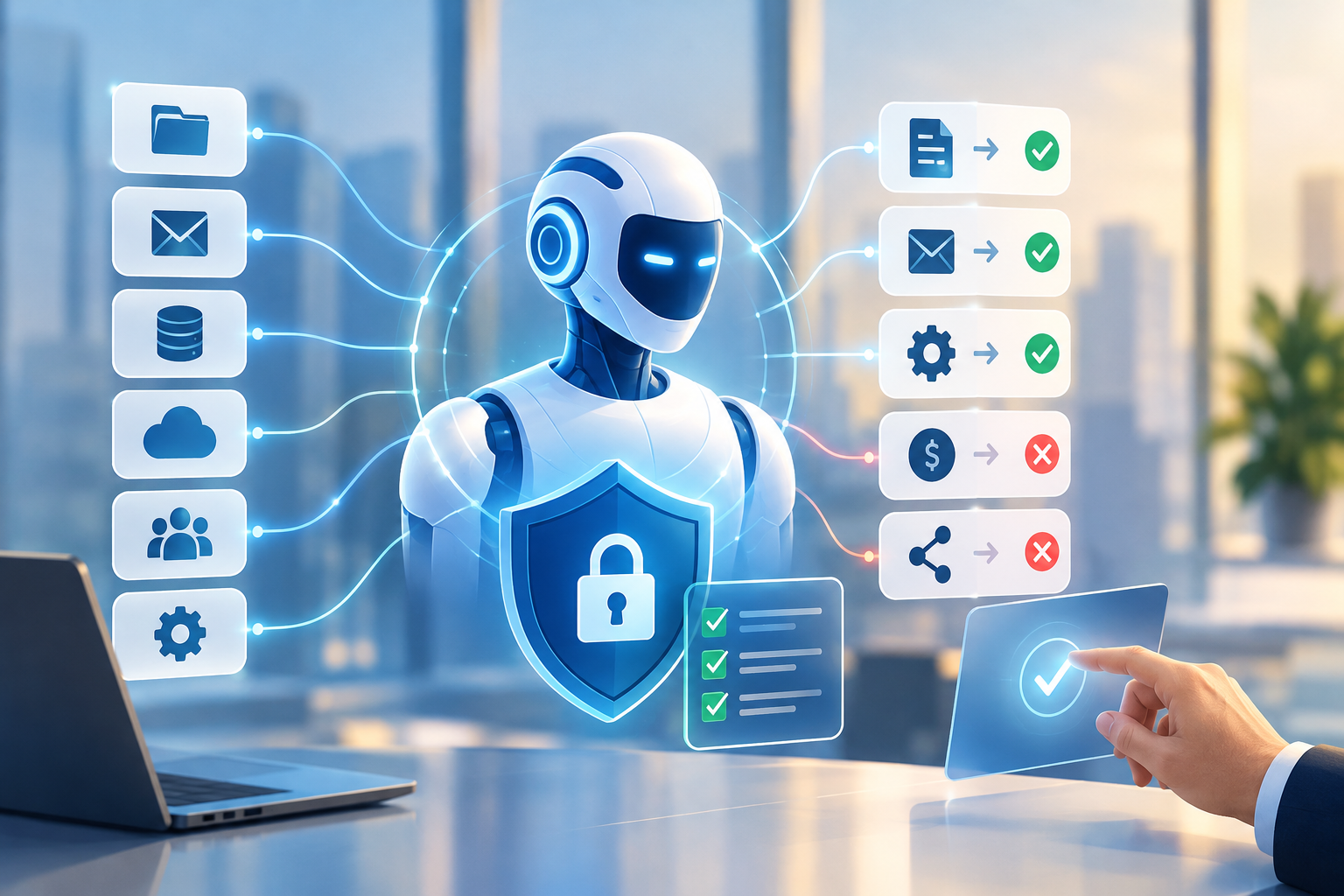
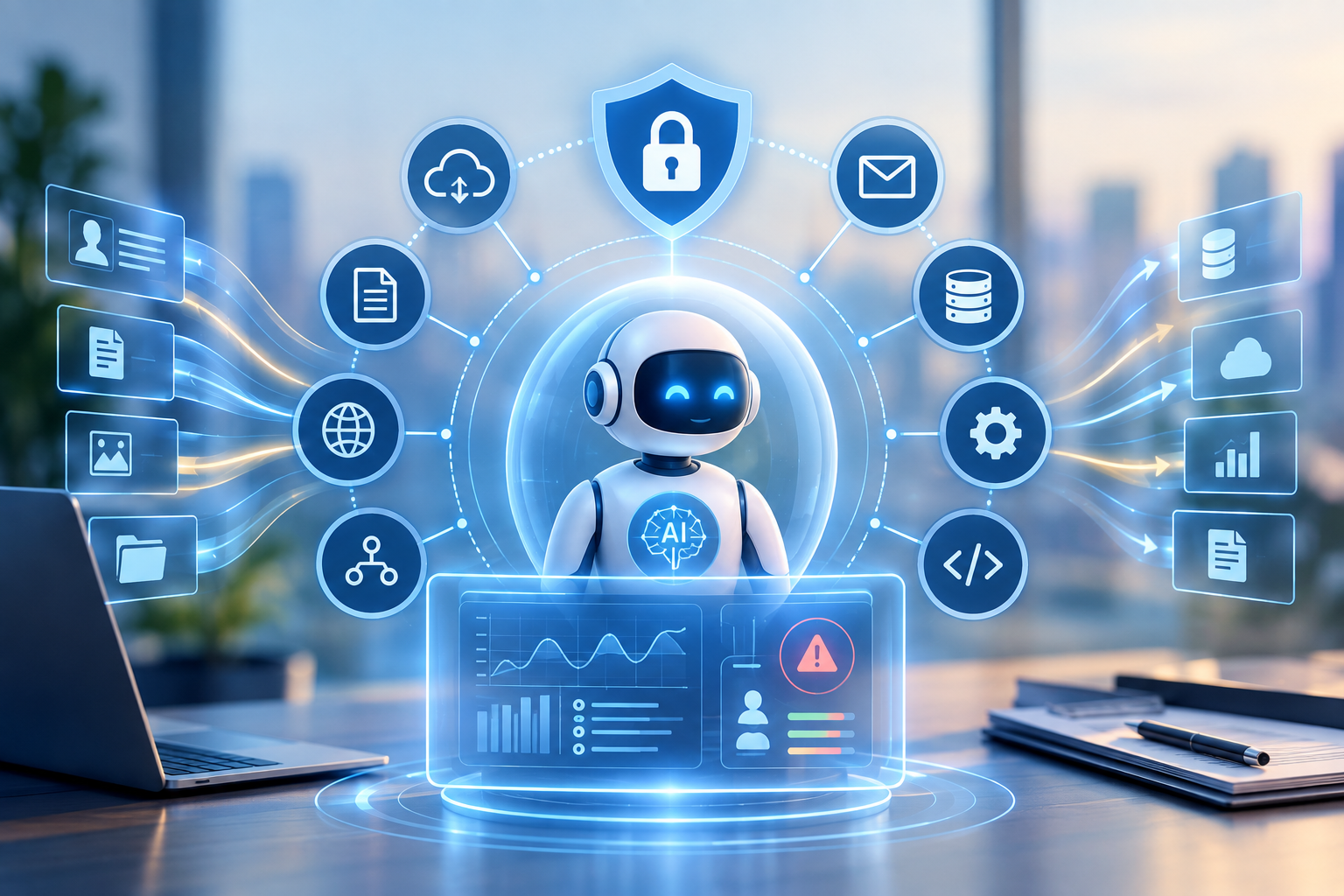
Artificial Intelligence is becoming an integral part of modern business operations. AI assistants and autonomous agents are now being connected to emails, documents, databases, cloud platforms, customer systems, and internal applications. This connectivity makes AI more powerful—but it also creates a critical security challenge: the more access an AI system receives, the more valuable it becomes to the organization, and potentially more dangerous it becomes if that access is misused, manipulated, or compromised. This is the AI Access Paradox. When Convenience Creates Risk An AI assistant with access to only a few documents can provide limited support. But when it can search enterprise data, access customer information, interact with applications, and perform actions automatically, its business value increases significantly. At the same time, its attack surface expands. AI systems can be affected by excessive permissions, excessive functionality, prompt injection, compromised integrations, or unintended autonomous actions. OWASP identifies “Excessive Agency” as a key risk where an AI system is given more functionality, permissions, or autonomy than necessary. (OWASP Gen AI Security Project) Access Is No Longer Just an IT Issue Traditional access management was largely designed around human users. AI agents, however, operate differently. They can access multiple systems, interact continuously, make decisions, and execute actions at machine speed. This creates important questions: What data can the AI access? What actions can it perform? Is its access limited to a specific task? Can its permissions be revoked immediately? Can organizations clearly distinguish AI activity from human activity? Recent 2026 research highlights the growing scale of this challenge, with organizations reporting AI agents exceeding their intended scope and permissions, alongside significant visibility and accountability gaps. (Cloud Security Alliance) The Principle of Least Privilege Must Apply to AI The solution is not to avoid AI adoption. It is to ensure that AI access is governed with the same—or greater—discipline as privileged human access. Organizations should consider: Task-specific permissions instead of broad access Least privilege for every AI agent and integration Separate identities for AI systems Time-bound and revocable credentials Human approval for high-impact actions Continuous monitoring and logging of AI activities Regular reviews of what data and systems AI can access Government cybersecurity guidance on agentic AI similarly emphasizes limiting broad access to sensitive data and critical systems, alongside strong identity management and continuous oversight. (Cyber Security Australia) The Real Question Is Not “Can AI Access This?” The more important question is: “Does the AI need this access to perform its specific task?” In the age of autonomous AI, security cannot be based solely on trusting the application. Organizations must govern what the AI can see, what it can do, and how far it can act. The AI Access Paradox reminds us of a simple reality: The capabilities that make AI valuable can also make it a powerful security risk. As AI becomes more deeply embedded in business operations, effective cybersecurity and information security will depend not just on securing the AI itself—but on securing everything the AI is allowed to access.