

 TRUPTI THAKUR
 #CyberSecurity #DataSecurity #MachineIdentity #IdentityAndAccessManagement #IAM #CloudSecurity #AI Security #PrivilegedAccessManagement #InformationSecurity #ZeroTrust #ISO27001
The Silent Access Threat
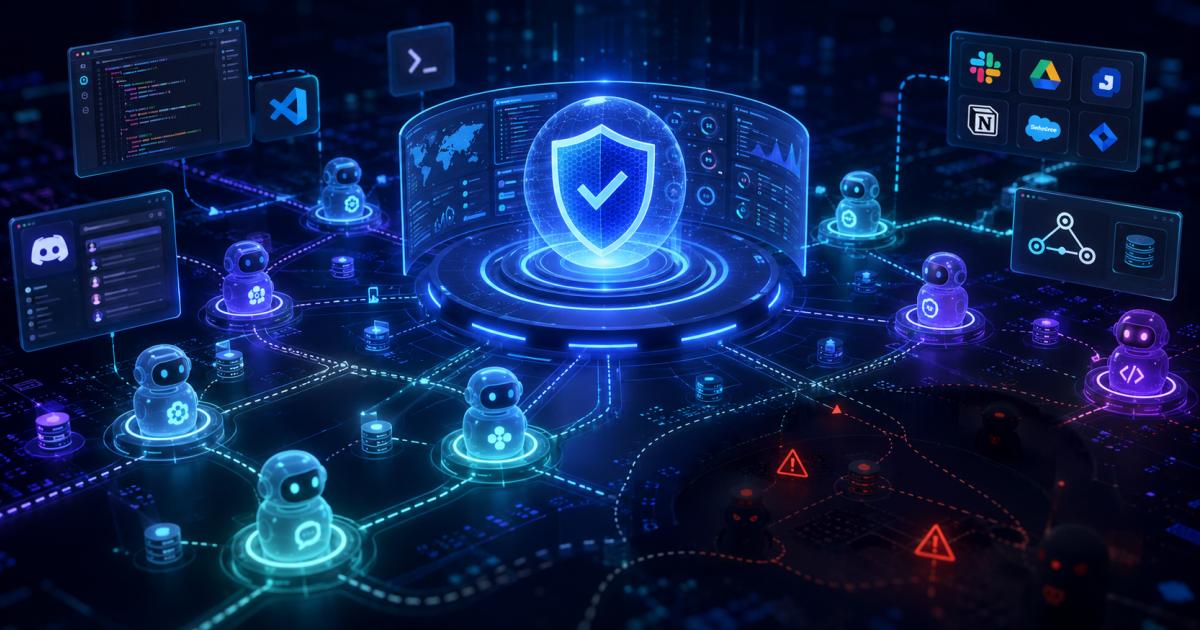
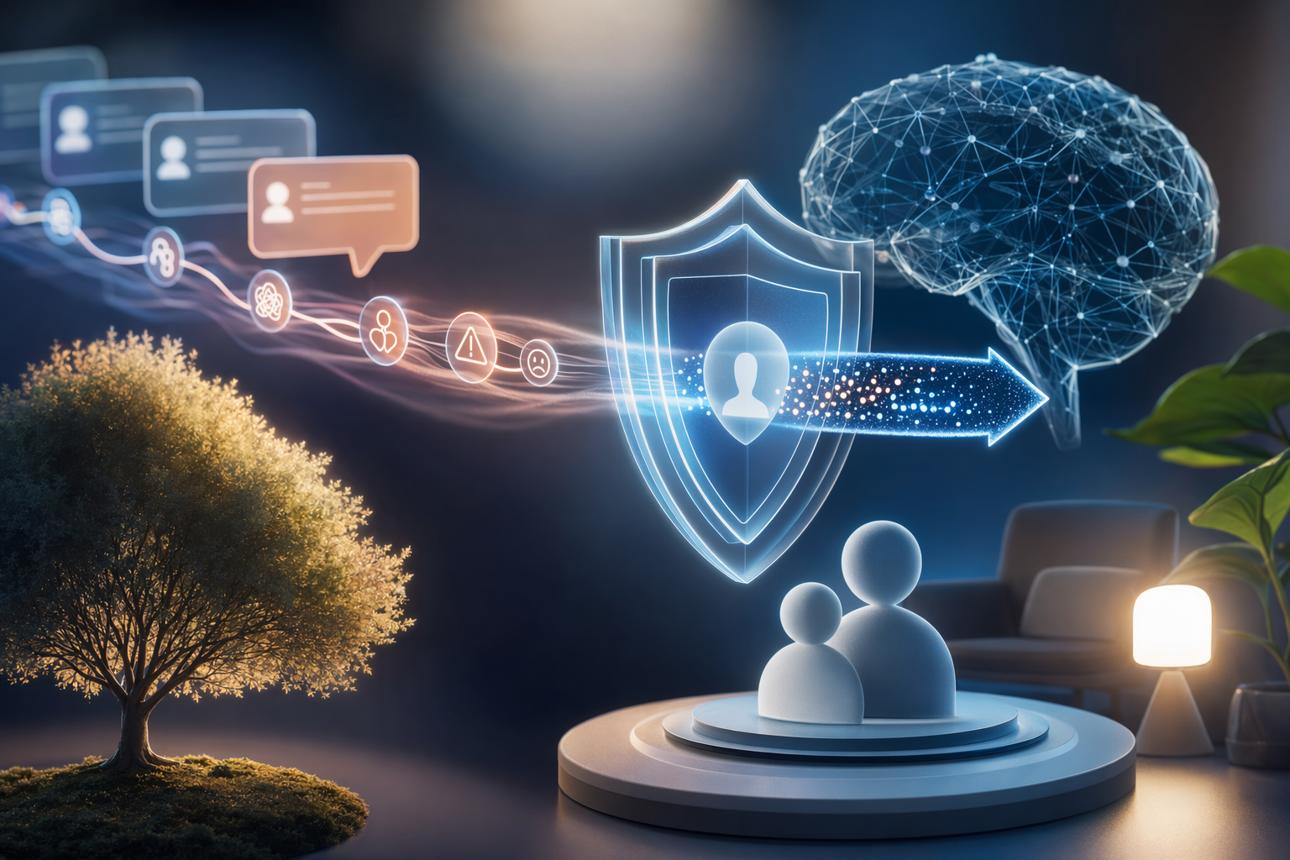
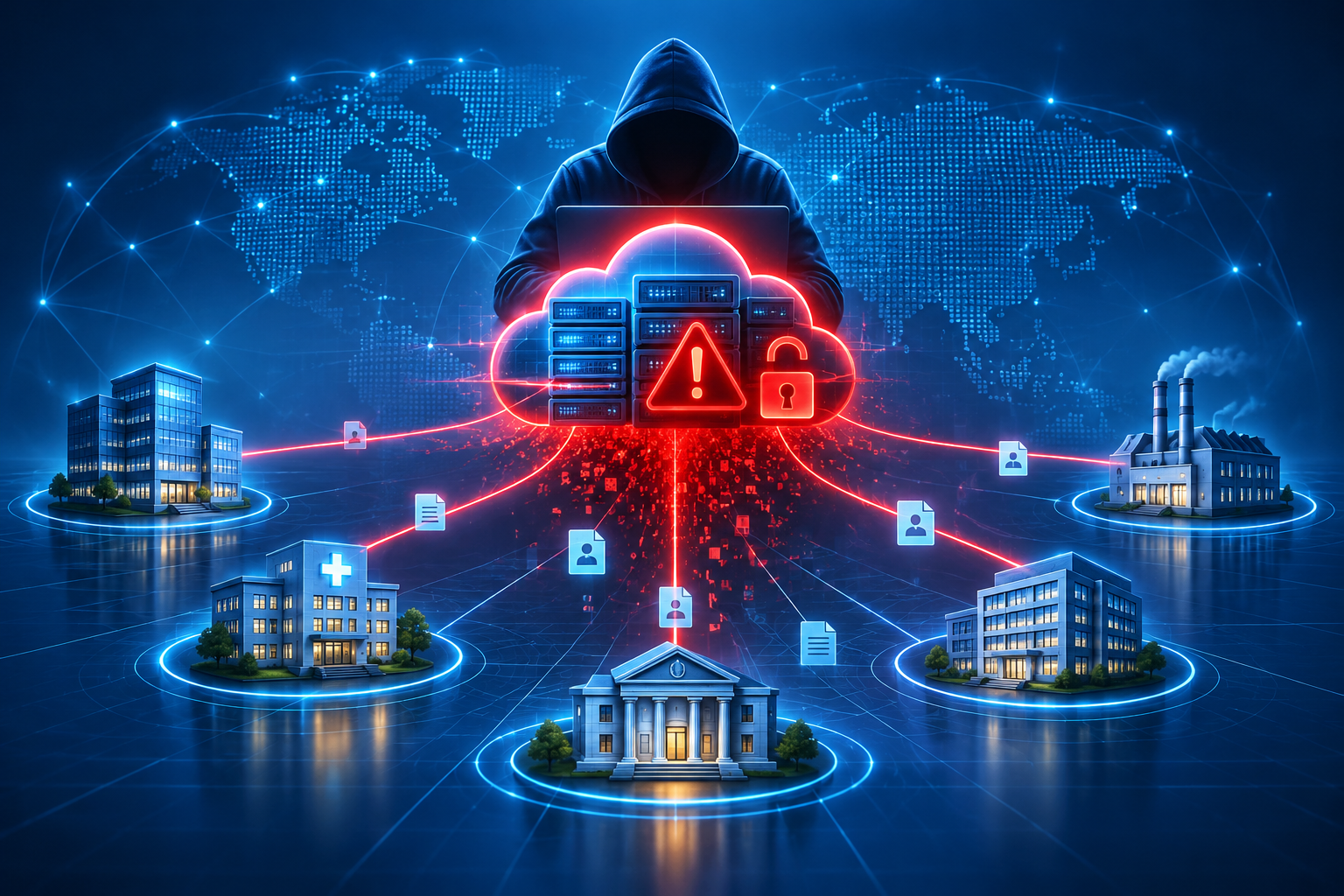
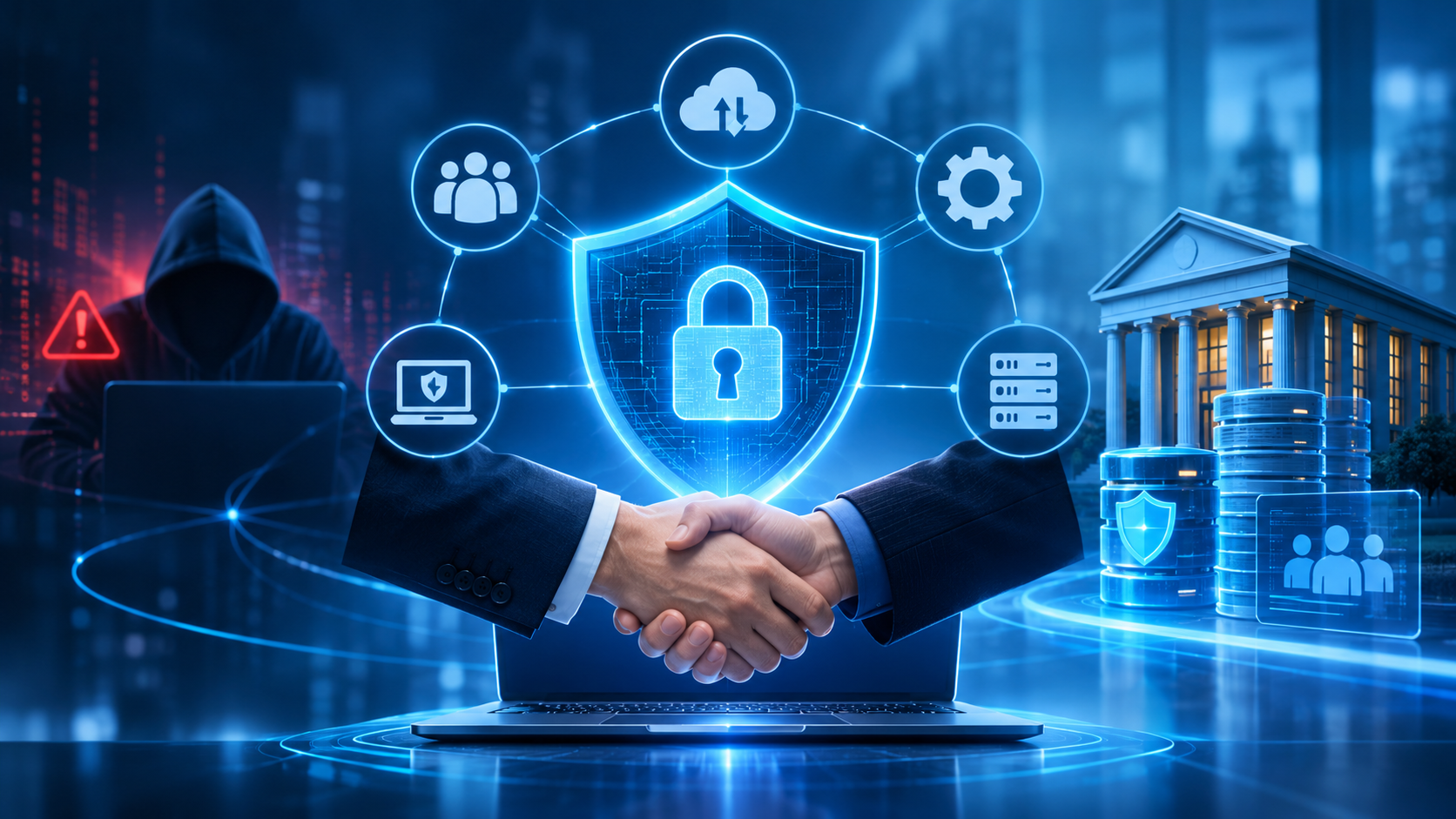
Introduction Traditional access control mechanisms were designed around a relatively simple assumption: every user accessing an organization's systems is a human being with a defined identity, role, and set of permissions. However, modern digital environments are rapidly challenging this assumption. Today, organizations rely heavily on service accounts, APIs, automated workflows, cloud workloads, robotic process automation (RPA), and AI-powered agents to perform business-critical activities. Each of these components requires an identity to authenticate and interact with applications, databases, and sensitive information. These identities, commonly known as machine identities or non-human identities (NHIs), are becoming an increasingly important part of enterprise security. Yet, unlike human users, they often operate continuously, possess extensive permissions, and receive less frequent access reviews. This creates a growing security challenge: organizations may have strong controls over employee access while overlooking the identities that operate behind the scenes. Why Are Machine Identities Becoming a Security Concern? Machine identities are essential for automation and digital operations, but inadequate governance can turn them into significant security vulnerabilities. Some of the major risk areas include: 1. Excessive Privileges and Uncontrolled Access Service accounts and automated processes are frequently assigned broad permissions to avoid operational disruptions. Over time, these permissions may exceed actual business requirements. If compromised, such identities can provide attackers with unauthorized access to confidential databases, cloud resources, business applications, and critical infrastructure. 2. Exposed Credentials and API Secrets Machine identities often rely on API keys, access tokens, certificates, and service account credentials. When these secrets are stored in source-code repositories, configuration files, scripts, or unsecured storage locations, attackers may exploit them to gain unauthorized system access. Unlike human passwords, machine credentials may remain active for extended periods without regular rotation. 3. AI Agents: A New Layer of Identity Risk The adoption of AI-powered agents introduces another dimension to identity security. These agents may interact with enterprise applications, retrieve internal information, execute commands, and perform automated tasks. If an AI agent operates with excessive permissions or compromised credentials, it could unintentionally expose sensitive business information or execute unauthorized actions. 4. Lack of Visibility and Continuous Monitoring Organizations often maintain detailed records of employee accounts but lack equivalent visibility into machine identities. Unused service accounts, orphaned credentials, undocumented integrations, and inactive API keys can remain operational long after their original purpose has ended. Without proper monitoring, these identities can become unnoticed entry points for attackers. The Impact on Organizational Data Security A compromised machine identity can create consequences beyond unauthorized system access. Depending on its permissions, an attacker may be able to: Access or extract confidential customer and employee information. Manipulate business-critical databases and application records. Move laterally across interconnected cloud environments. Bypass certain security restrictions through legitimate access credentials. Disrupt automated business operations and critical services. Compromise interconnected systems through trusted integrations. The biggest concern is that these activities may initially appear to be legitimate system operations, making malicious activity more difficult to identify. Strengthening Machine Identity Security: Practical Recommendations Organizations must extend their Identity and Access Management (IAM) strategies beyond human users and establish a structured governance approach for machine identities. Key security measures include: 1. Implement Least Privilege Access: Grant machine identities only the permissions necessary to perform their assigned functions. 2. Establish a Centralized Identity Inventory: Maintain a complete inventory of service accounts, API identities, certificates, cloud workloads, and AI agents, including their owners and business purposes. 3. Strengthen Secrets Management: Store API keys, credentials, and access tokens in secure secrets management solutions rather than source-code repositories or unsecured configuration files. 4. Enforce Credential Rotation: Implement defined rotation and revocation mechanisms for machine credentials, certificates, and access tokens. 5. Conduct Periodic Access Reviews: Review machine identities regularly to identify excessive permissions, inactive accounts, orphaned credentials, and unauthorized access. 6. Enable Continuous Monitoring: Monitor machine identity activity, authentication patterns, privilege escalation, and unusual data access through centralized logging and security monitoring solutions. 7. Govern AI Agent Permissions: Ensure AI agents operate within clearly defined authorization boundaries, with appropriate human oversight for sensitive or high-impact activities. Conclusion The future of cybersecurity cannot rely exclusively on protecting human identities. As organizations increasingly adopt cloud computing, automation, interconnected applications, and AI-driven operations, machine identities are becoming a critical component of the enterprise attack surface. An identity that is not properly governed, monitored, or reviewed can become a potential pathway to sensitive organizational data. Organizations must therefore evolve their traditional access control strategies into comprehensive identity security frameworks that address both human and non-human access. Because in today's digital environment, not every security threat comes from an unauthorized user. Sometimes, it comes from an authorized identity with more access than it should have.