

 TRUPTI THAKUR
 #CyberSecurity #InformationSecurity #ThirdPartyRiskManagement #SaaSSecurity #CloudSecurity #DataProtection #DPDPAct #ISO27001 #RiskManagement #VendorRiskManagement #HISPL
Beyond Internal Security

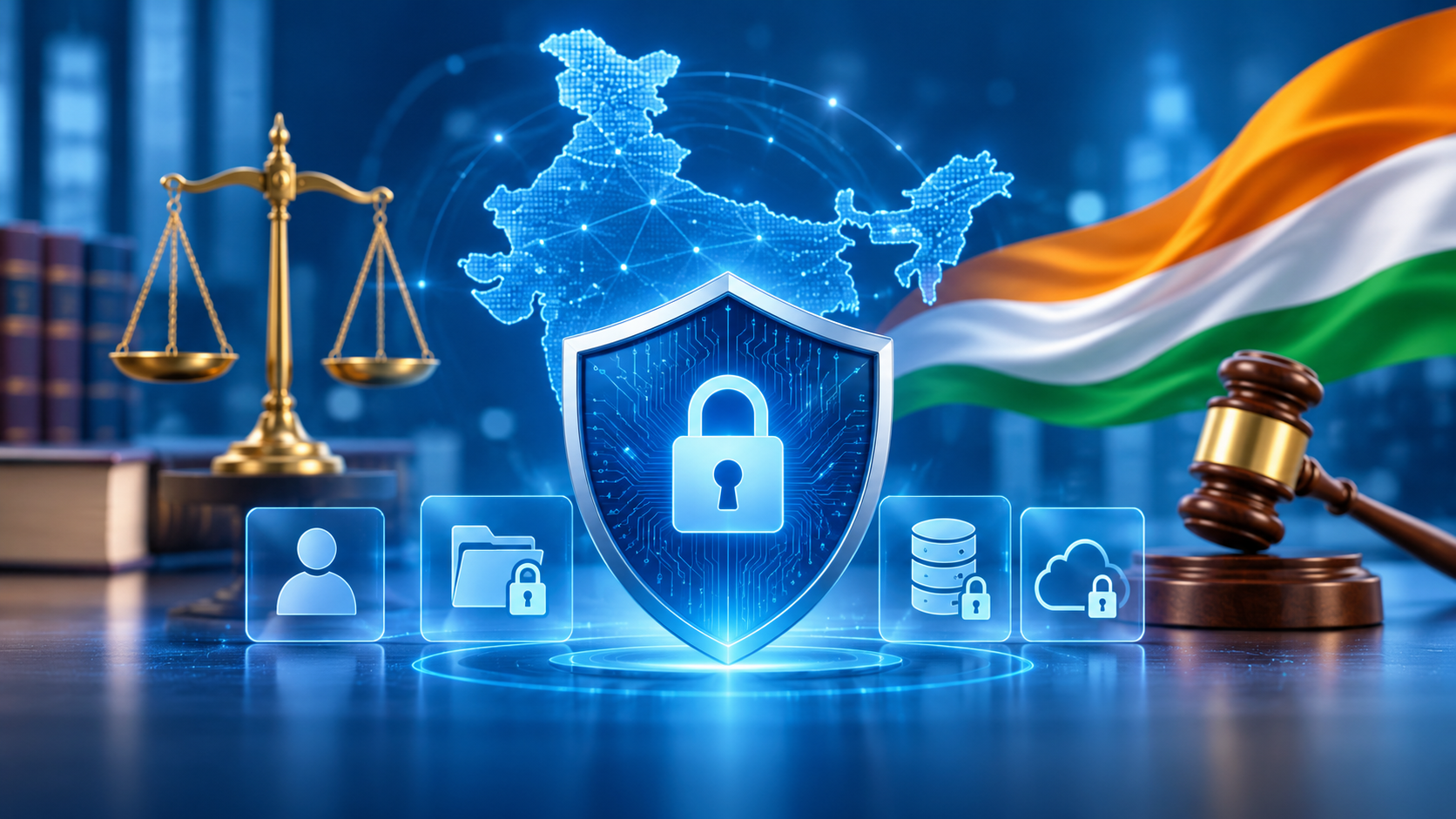
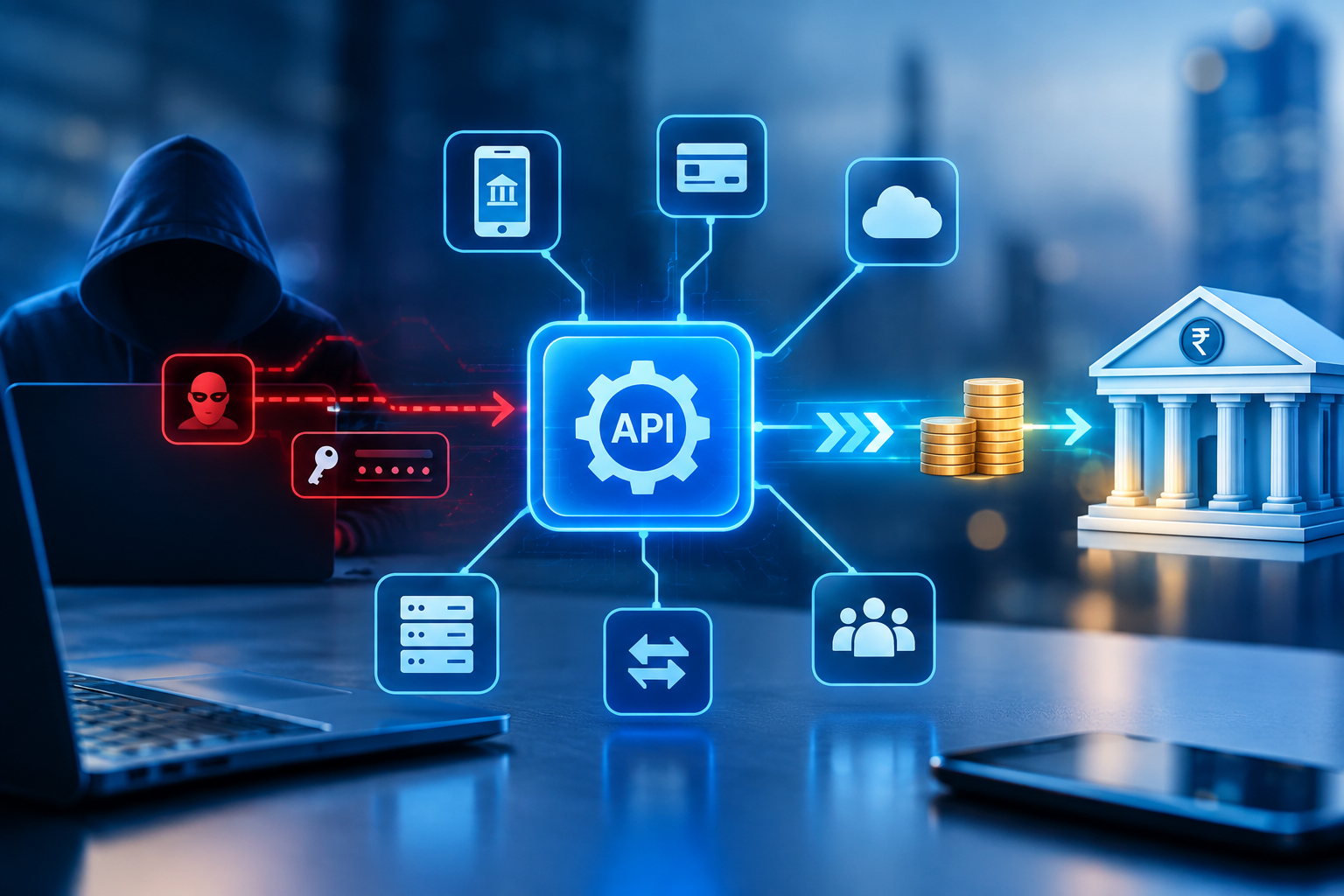
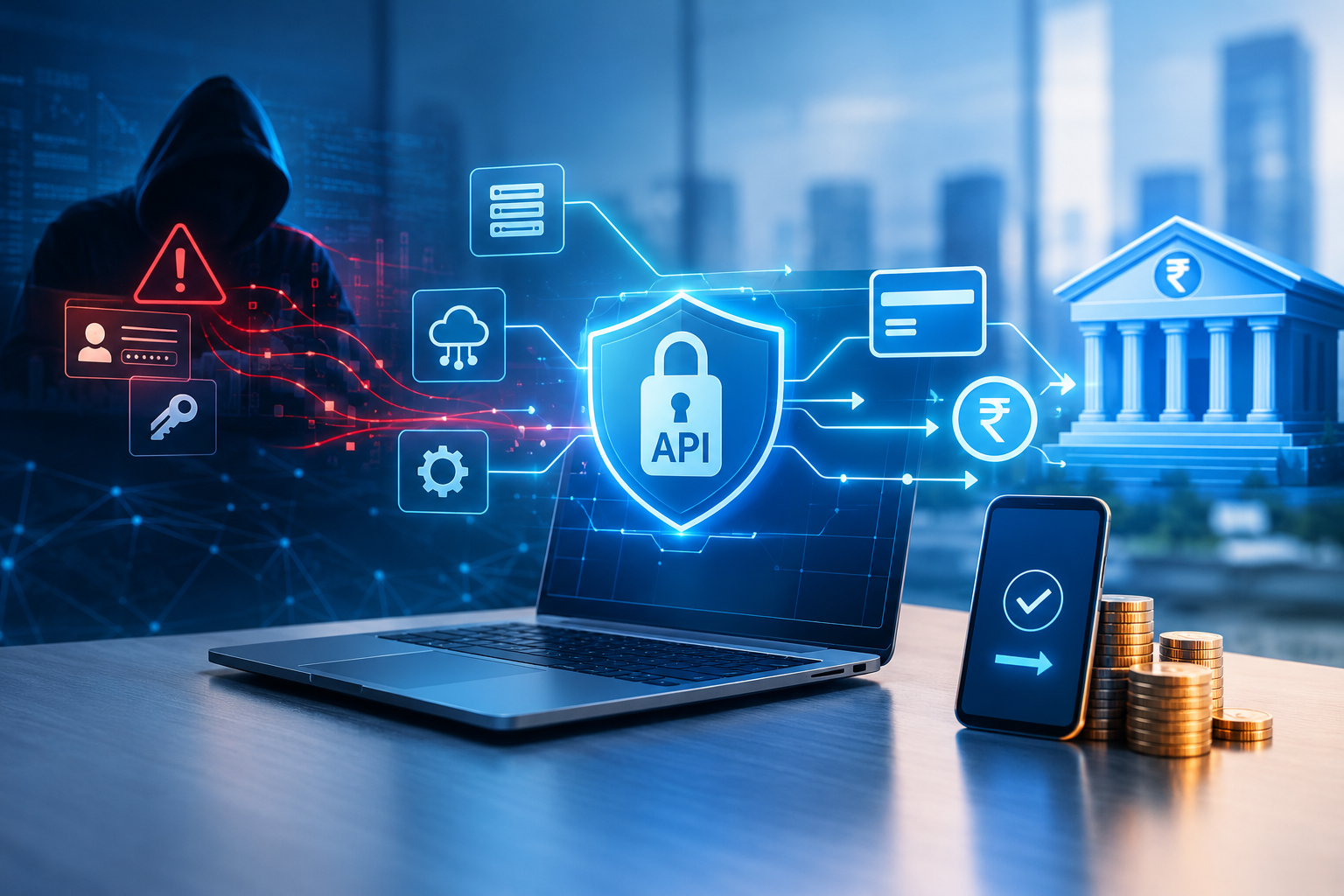
Introduction In today's interconnected digital ecosystem, organizations increasingly depend on third-party service providers, cloud platforms, SaaS applications, and external technology partners to manage business operations and customer information. While these integrations improve operational efficiency and scalability, they also introduce security risks that organizations cannot afford to overlook. The recent data leak investigation involving AU Small Finance Bank has once again brought attention to an important cybersecurity concern: an organization's security is only as strong as the ecosystem with which it shares its data. The incident involved a third-party SaaS environment reportedly hosting limited vehicle-loan customer information. Although the bank indicated that its core banking systems remained unaffected, the situation highlights how sensitive information can become exposed through external platforms even when an organization's primary infrastructure is not directly compromised. This raises an important question: Are organizations adequately securing not only their own IT infrastructure but also the external platforms, vendors, and applications that have access to their data? Understanding the Third-Party Security Risk The AU Bank investigation highlights several security challenges that organizations should evaluate: 1. Third-Party and Vendor Risk Organizations frequently share customer information with CRM platforms, cloud providers, payment gateways, analytics platforms, and outsourced service providers. If these vendors have inadequate security controls, attackers may exploit weaknesses in the extended technology ecosystem. 2. SaaS Security and Shared Responsibility Using a reputed cloud or SaaS provider does not automatically guarantee complete data security. Organizations must understand their own responsibilities regarding access permissions, configurations, authentication, integrations, data retention, and monitoring. 3. Sensitive Customer Information Exposure Information such as identity documents, financial records, contact details, and KYC information can be misused for identity theft, financial fraud, phishing, and social engineering. Even when core banking or business applications remain operational, customer trust can be significantly affected. 4. Limited Visibility Across External Platforms Many organizations lack continuous visibility into where their data is stored, who can access it, how it is transferred, and whether third-party integrations are adequately monitored. The important lesson is that cybersecurity must extend beyond internal networks and include every external platform that processes or stores organizational information. How Can Organizations Make Their Cybersecurity More Robust? Preventing third-party data exposure requires a combination of technical security controls, governance, continuous monitoring, and accountability. Organizations should consider the following measures: 1. Strengthen Third-Party Risk Management Conduct security assessments before onboarding any external service provider. Evaluate vendors based on their security certifications, access controls, data protection practices, and incident response capabilities. Perform periodic vendor risk assessments and reassessments. Include cybersecurity, confidentiality, breach notification, and data handling clauses in vendor agreements. Classify vendors based on the sensitivity and criticality of the information they process. 2. Implement Strong Identity and Access Management Enforce Multi-Factor Authentication (MFA) for all critical applications and administrative accounts. Apply Role-Based Access Control (RBAC) and the principle of least privilege. Review user access permissions periodically. Immediately revoke access when employees or third-party personnel leave or change roles. Monitor privileged accounts and unusual login activities. 3. Strengthen SaaS and Cloud Security Review SaaS security configurations and integration permissions regularly. Encrypt sensitive information both at rest and in transit. Implement data masking, tokenisation, and data minimisation wherever appropriate. Secure APIs using strong authentication, authorization, rate limiting, and continuous monitoring. Maintain visibility into data movement between internal systems and external platforms. 4. Establish Continuous Security Monitoring Implement Security Information and Event Management (SIEM) solutions. Monitor unusual access patterns, suspicious downloads, data transfers, and authentication failures. Conduct regular vulnerability assessments and penetration testing. Review application logs, cloud activity logs, and third-party access logs. Establish automated alerts for suspicious activities and potential data exfiltration. 5. Develop an Effective Incident Response Framework Organizations should establish a documented incident response process that covers: Early detection and incident reporting. Immediate containment and access restriction. Coordination with affected third-party service providers. Forensic investigation and impact assessment. Regulatory and contractual notification requirements. Recovery, lessons learned, and corrective actions. A well-defined incident response plan can significantly reduce the impact of a security incident and help organizations respond in a controlled and timely manner. 6. Align Security Practices with Recognized Frameworks Organizations should adopt structured information security frameworks to establish measurable and sustainable security practices. Framework / Standard Security relevance ISO/IEC 27001:2022 Information security management and risk-based controls ISO/IEC 27017 Cloud security controls ISO/IEC 27018 Protection of personal information in public clouds ISO/IEC 27036 Information security in supplier relationships NIST Cybersecurity Framework Identify, Protect, Detect, Respond and Recover OWASP API Security Identification and mitigation of API security risks DPDP Act, 2023 Protection of digital personal data in India These frameworks provide organizations with a structured approach to identifying risks, implementing safeguards, evaluating effectiveness, and continuously improving their security posture. The Role of DPDP Compliance in Third-Party Data Protection India's Digital Personal Data Protection (DPDP) Act, 2023, makes personal data protection an important governance responsibility for organizations handling digital personal information. When organizations engage external service providers to process personal data, they must pay attention to how that information is collected, shared, stored, processed, and protected. Organizations should focus on: Clearly defining responsibilities between Data Fiduciaries and Data Processors. Establishing appropriate contractual safeguards for third-party data processing. Implementing reasonable security safeguards to prevent personal data breaches. Maintaining documented incident reporting and response procedures. Reviewing third-party compliance and data protection practices periodically. Data protection should not be treated as an isolated legal requirement. It must be integrated into everyday information security operations, vendor management, and business decision-making. Conclusion: Security Must Extend Beyond Organizational Boundaries The AU Small Finance Bank investigation highlights an important reality of modern cybersecurity: protecting internal infrastructure alone is no longer sufficient. As organizations increasingly depend on SaaS platforms, cloud environments, APIs, and external service providers, their security strategies must evolve accordingly. A robust cybersecurity posture requires continuous risk assessments, strong access management, secure integrations, effective vendor oversight, proactive monitoring, and a well-tested incident response mechanism. Ultimately, cybersecurity is not just about protecting the systems an organization owns; it is about protecting the information it is responsible for, wherever that information resides. Organizations that treat third-party security as an essential part of their information security strategy will be better positioned to reduce exposure, maintain customer trust, and build long-term digital resilience. Key takeaway Trust Your Vendors, But Verify Their Security. Third-party relationships should never become third-party security blind spots. Continuous assessment, accountability, and monitoring are essential to protecting organizational and customer data. Incident reporting note: AU Small Finance Bank confirmed on 30 October 2026 that it was investigating a potential data leak involving a Salesforce-hosted SaaS platform containing limited vehicle-loan customer information. The bank stated that its own systems remained unaffected. The hacker group's broader claims about the information accessed had not been independently verified in the available reporting. The article therefore treats this as an ongoing investigation, not a conclusively established breach of the bank's core infrastructure.