

 Trupti Thakur
 #CyberSecurity #InformationSecurity #AI #AIGovernance #IncidentResponse #TabletopExercise #DataPrivacy #RiskManagement #ISO27001 #CyberResilience #ThirdPartyRisk #Privacy
The Table-Top Exercise Gap
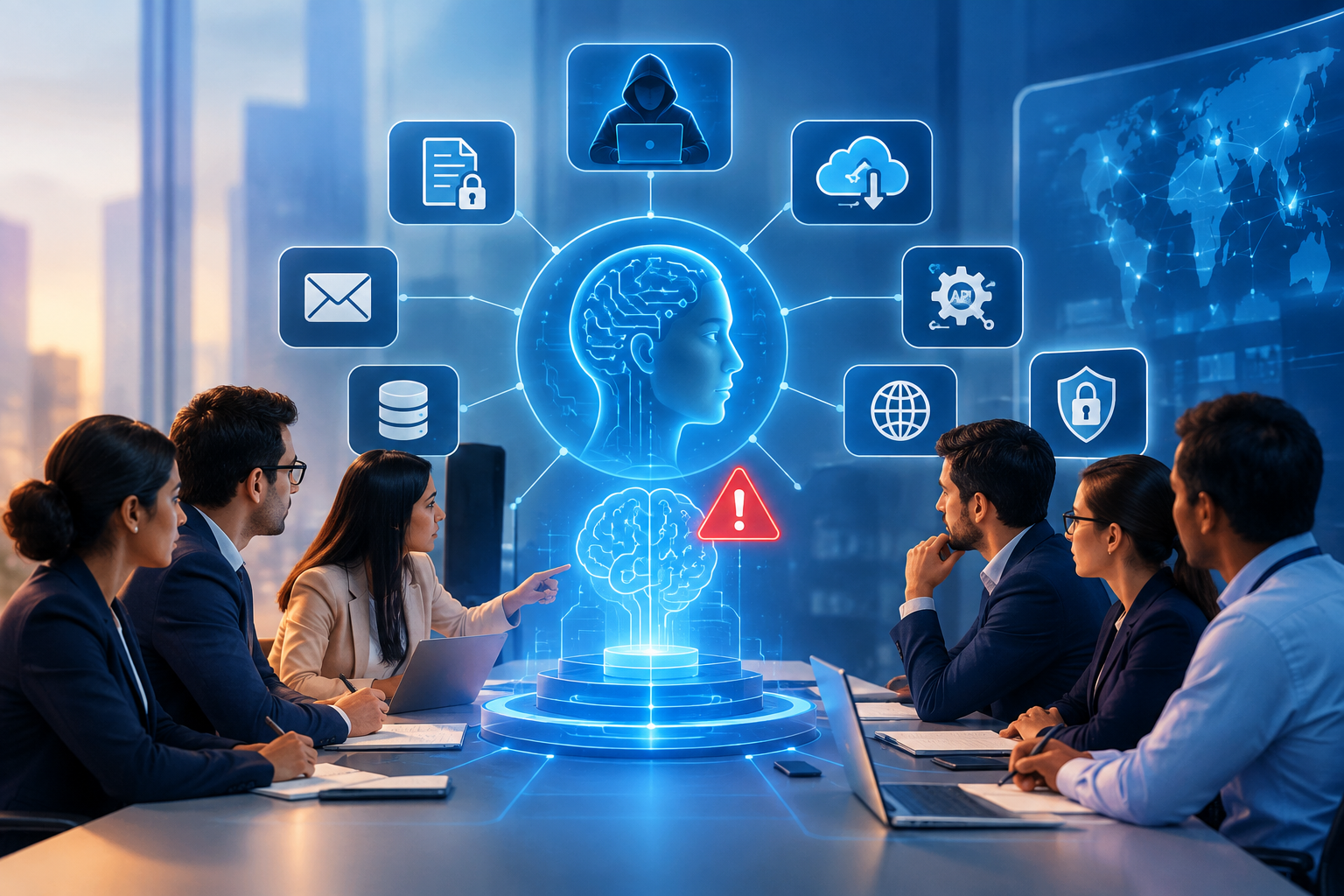
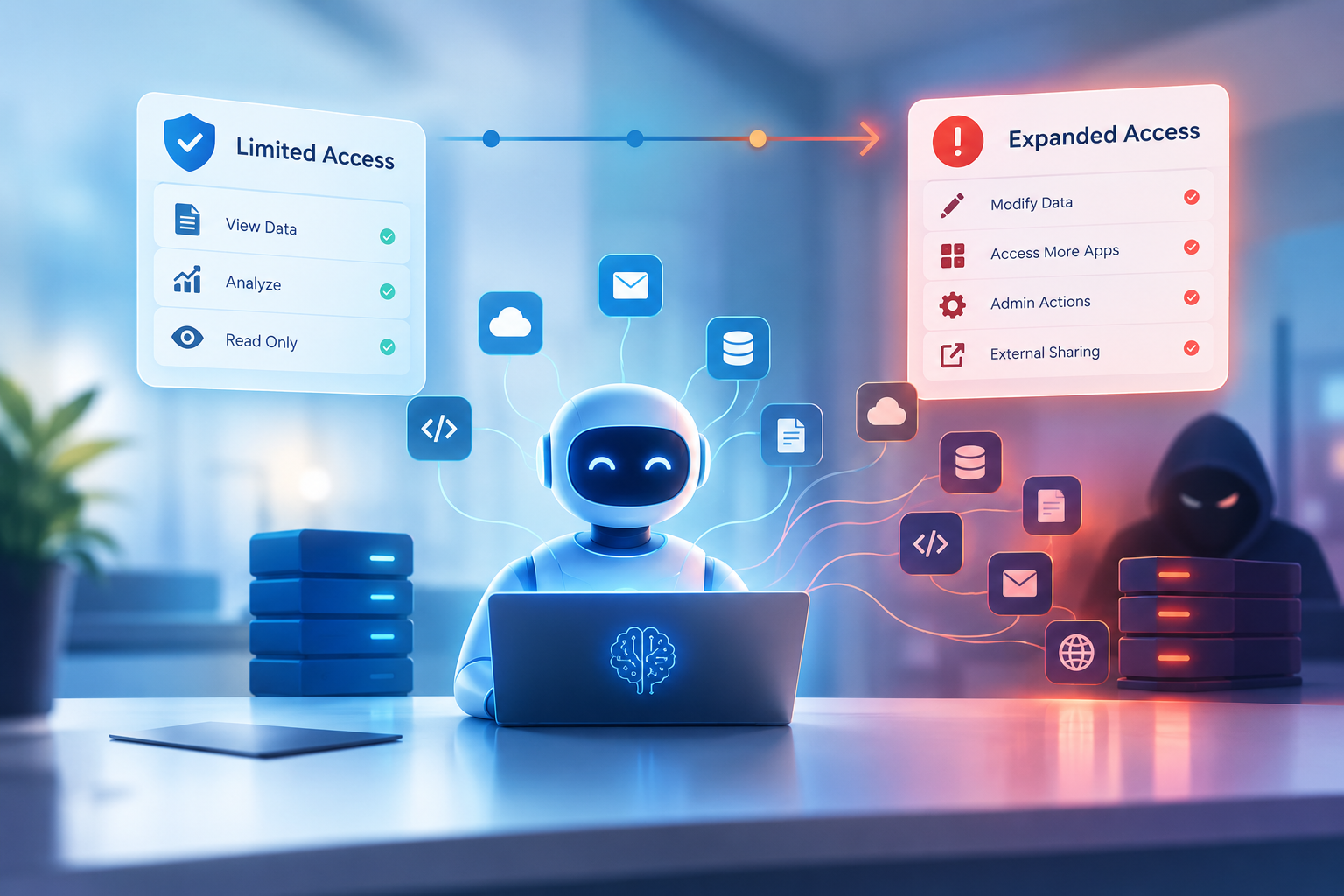
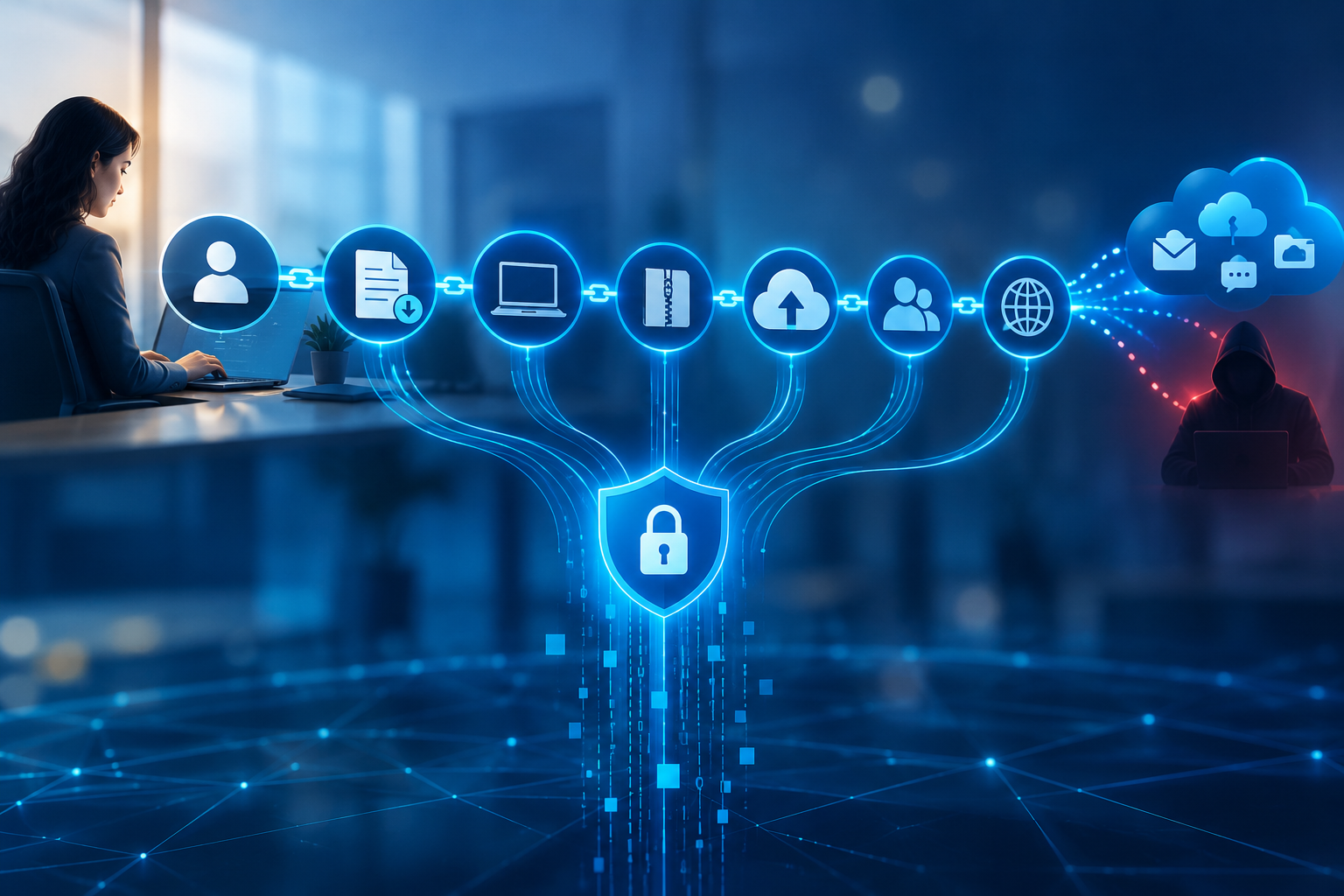
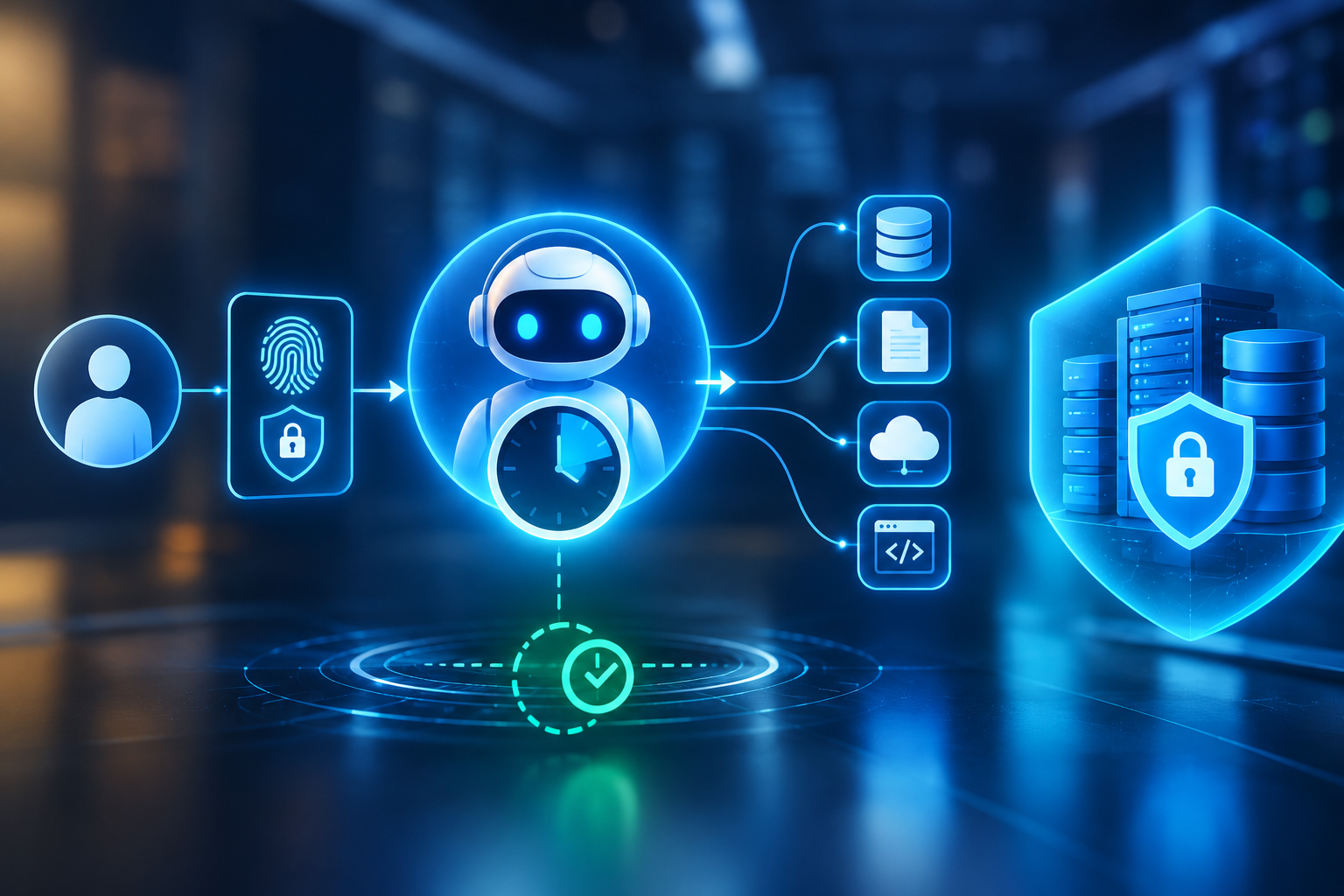
The AI Incident Tabletop Exercise Gap: Why Traditional Cyber Drills Are No Longer Enough Organizations have spent years conducting tabletop exercises for familiar scenarios such as ransomware, phishing, insider threats, and data breaches. But the threat landscape is changing. AI systems are now connected to emails, documents, databases, APIs, customer information, business applications, and automated workflows. As AI becomes capable of taking actions—not just generating responses—the consequences of an AI-related incident can extend across cybersecurity, information security, privacy, compliance, and business operations. Yet many organizations still test AI incidents using traditional crisis scenarios. This creates an AI Incident Tabletop Exercise Gap. What Is an AI Incident Tabletop Exercise? An AI-specific tabletop exercise is a structured simulation designed to test how an organization would respond when an AI system contributes to or becomes the source of a security or privacy incident. For example: An AI agent is authorized to access internal documents. A malicious prompt causes it to retrieve sensitive customer information and transmit the information to an external service. The technical incident may appear simple. The organizational response is not. Security teams must determine what happened, privacy teams must assess whether personal data was affected, legal teams may need to evaluate notification obligations, management must make business decisions, and IT teams may need to disable or restrict the AI workflow. Why Traditional Tabletop Exercises May Not Be Enough Traditional exercises generally focus on established attack paths: Attacker → Compromise → Detection → Containment → Recovery AI-enabled incidents can introduce additional layers: User → AI Model → Agent → Tool/API → Enterprise Data → External System This creates questions that conventional exercises may not adequately test: • What permissions does the AI system have? • Which data did the AI access? • Can the organization reconstruct the AI's actions? • Who owns the AI workflow? • Can the AI agent be immediately disabled? • Was personal data processed or exposed? • Was a third-party AI provider involved? • What evidence should be preserved? • Who has authority to stop the AI workflow? • When does a security event become a privacy incident? Without testing these decisions beforehand, organizations may discover process gaps during a real incident. The Privacy Dimension AI incidents are not necessarily only cybersecurity incidents. Consider an AI-powered customer-service system that unintentionally exposes personal information through an automated response. The organization may need to address two parallel questions: Security: How did unauthorized access or disclosure occur, and how can it be contained? Privacy: What personal data was involved, whose data was affected, and what obligations are triggered? This is why AI tabletop exercises should involve more than the SOC or IT security team. Security + Privacy + Legal + IT + Business + Management should be able to operate from the same incident scenario. What Should an AI Tabletop Exercise Test? A practical AI tabletop exercise can introduce events progressively. Inject 1 — Suspicious AI Activity An AI agent begins accessing information outside its normal business pattern. Inject 2 — Data Exposure Logs indicate that sensitive or personal information may have been processed by an external AI service. Inject 3 — Third-Party Dependency The organization discovers that the AI model or API provider is involved. Inject 4 — Business Impact The AI workflow is supporting a critical business process, and disabling it affects operations. Inject 5 — Regulatory and Customer Pressure Management must determine communication, escalation, evidence preservation, and potential notification requirements. The objective is not simply to determine whether the technical team can stop the incident. The objective is to determine whether the entire organization can make the right decisions under pressure. From Exercise to Improvement A tabletop exercise should not end when the meeting ends. The most valuable output is the lessons learned. Organizations should document: • Detection and escalation gaps • AI asset and ownership gaps • Excessive permissions • Logging and monitoring limitations • Third-party risk gaps • Data classification issues • Privacy assessment delays • Incident-response responsibilities • Communication and escalation weaknesses • Required policy or control improvements These findings can then feed into the organization's risk register, incident-response procedures, supplier-risk program, privacy controls, awareness program, and ISMS continual improvement process. The New Measure of Cyber Resilience The question is no longer simply: “Do we have an incident-response plan?” A more relevant question is: “Have we tested whether our organization can respond when an AI system becomes part of the incident?” AI is changing how organizations process information, make decisions, and execute workflows. Incident-response exercises need to evolve accordingly. The organizations that regularly test these scenarios will have an opportunity to identify weaknesses before an AI-related security or privacy incident exposes them in the real world. AI adoption without AI incident preparedness creates a gap between capability and resilience. And that gap is exactly what a well-designed tabletop exercise should expose.