

 Trupti Thakur
 #CyberSecurity #IdentitySecurity #NonHumanIdentity #NHI #IAM #PAM #ZeroTrust #CloudSecurity #AIsecurity #AIAgents #PrivilegedAccess #CyberRisk #InformationSecurity #DigitalIdentity #GRC #CyberResilience #SecurityGovernance
The Invisible Admin Threat
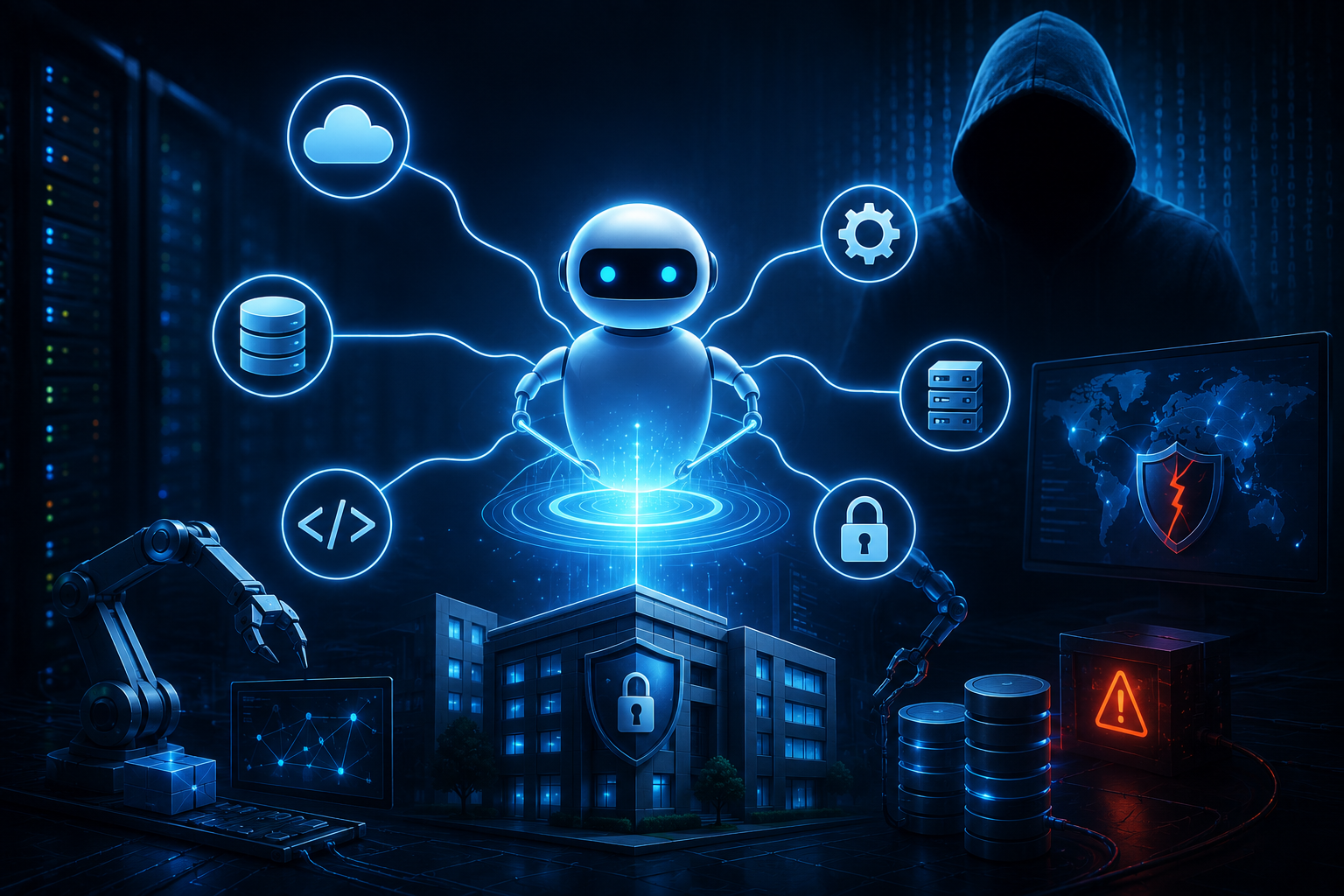
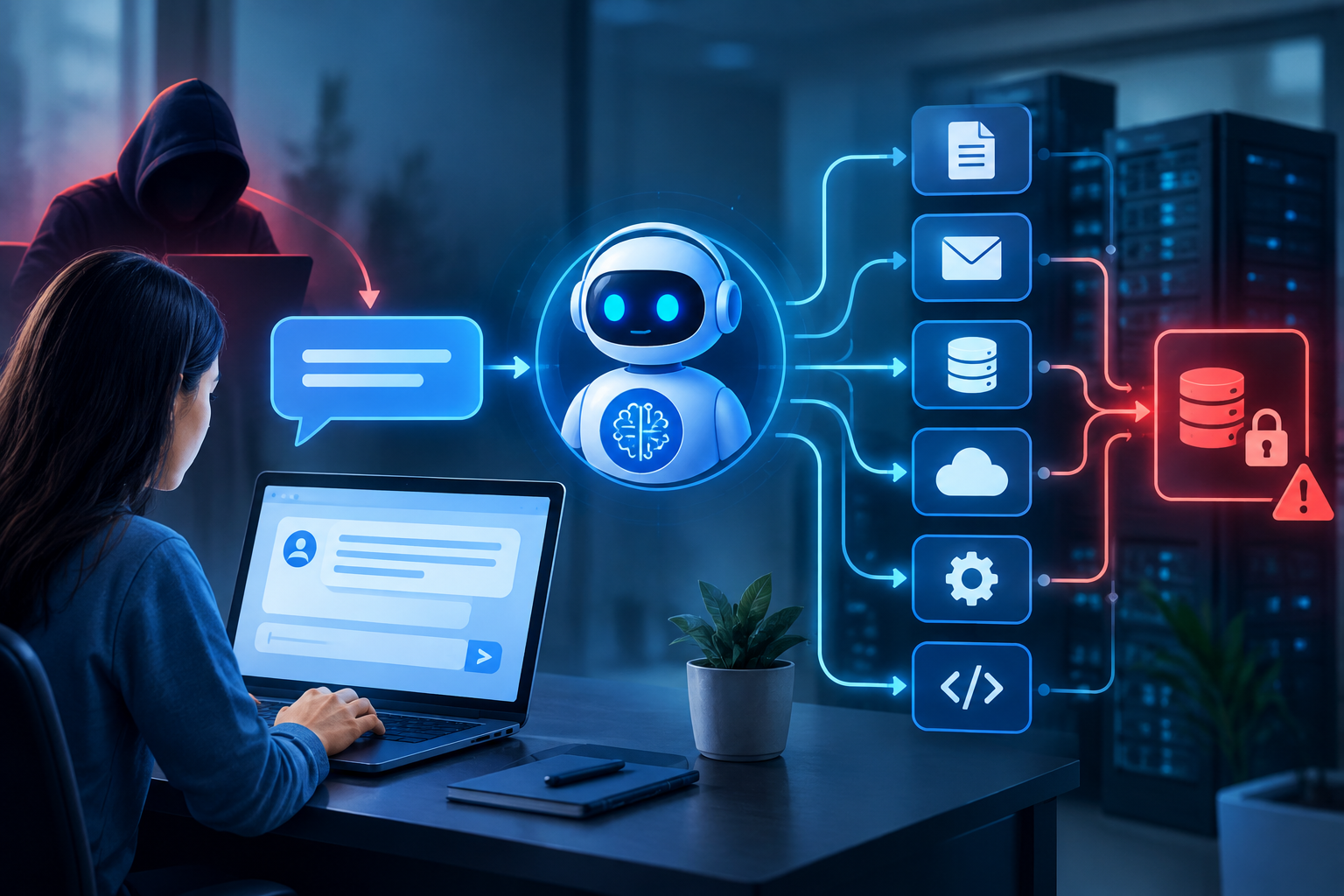
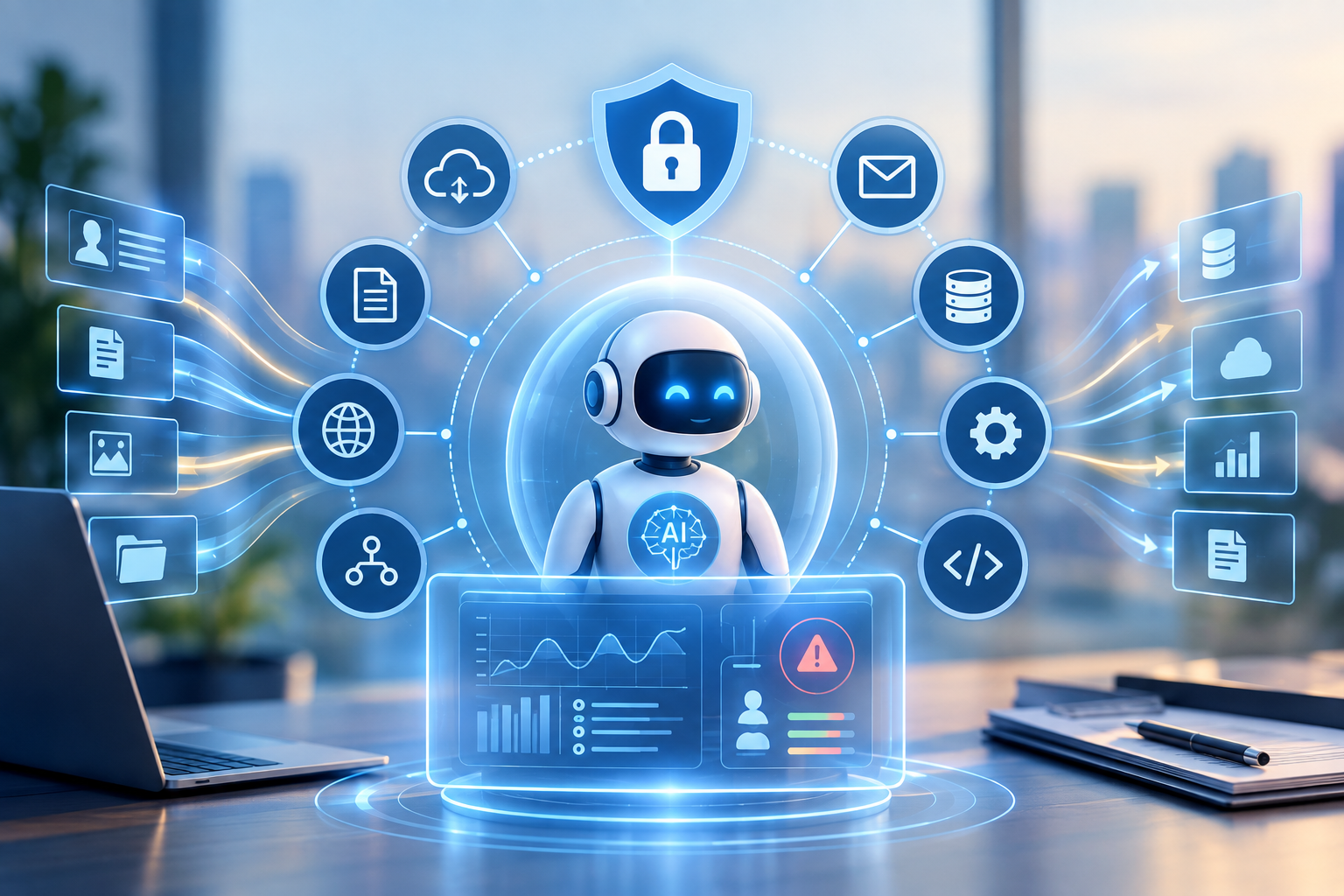
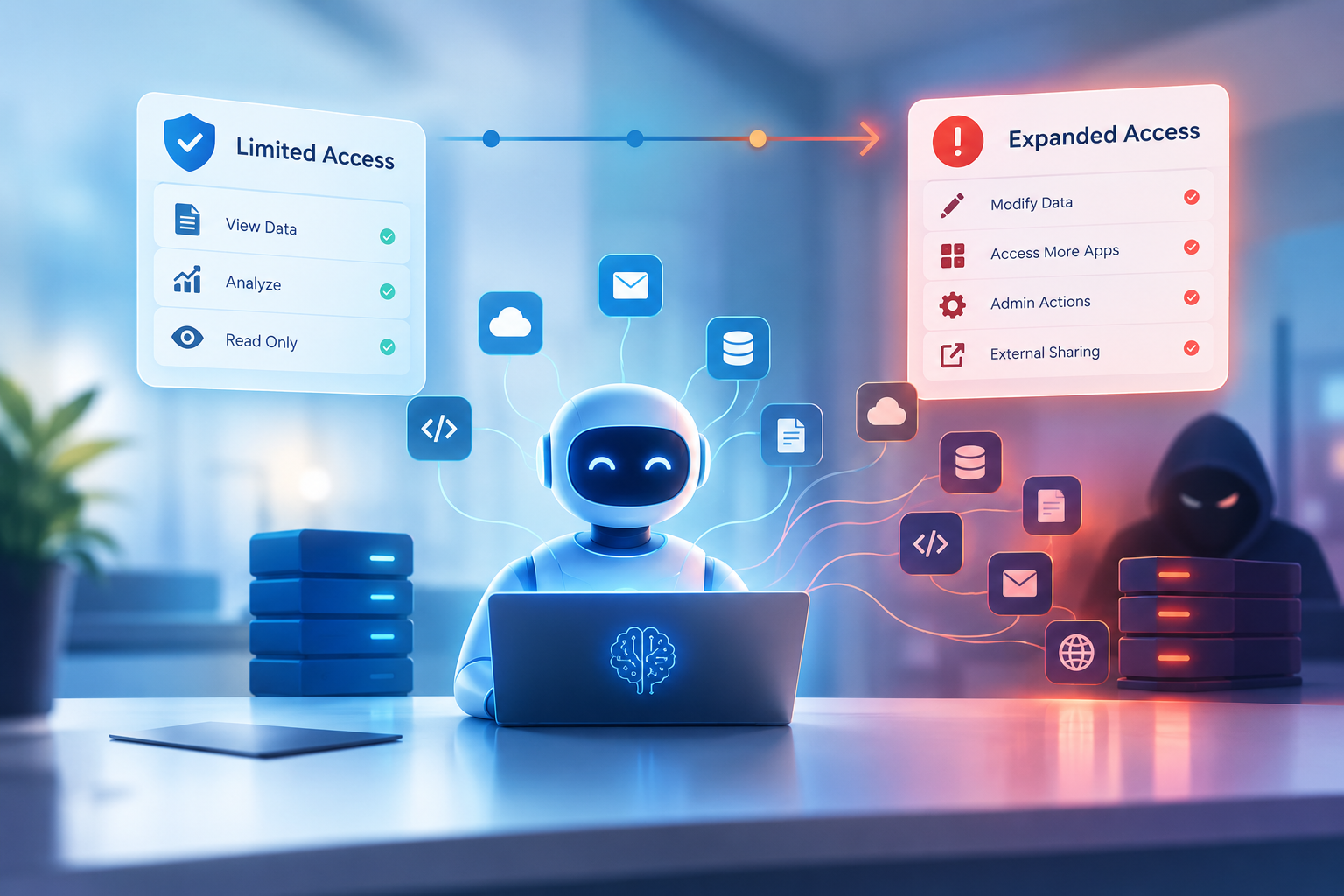
# The “Invisible Admin” Problem: How Non-Human Identities Are Becoming the New Privileged Users Cybersecurity has spent years asking a simple question: **“Who has access?”** But in modern organizations, that question is no longer enough. The more important question is: **“What has access?”** Applications, APIs, service accounts, automation scripts, cloud workloads, bots, CI/CD pipelines, and AI agents are increasingly performing tasks that were once handled by human administrators. They can access databases, deploy code, modify configurations, transfer data, and interact with critical systems—often without a person directly involved. These are **non-human identities (NHIs)**. And they may be quietly becoming the next generation of privileged users. ## The Rise of the Invisible Administrator Traditionally, privileged access was relatively easy to understand. A system administrator logs in, receives elevated permissions, performs an action, and logs out. Today, an application may authenticate to a database automatically. A cloud workload may access storage using a service identity. An API may use a token to communicate with another application. An automated pipeline may deploy infrastructure with administrative privileges. No employee is sitting behind the keyboard. Yet the identity can still have enormous power. This creates the **“Invisible Admin” problem**: identities that do not belong to people but can perform highly privileged actions. The challenge is not simply that these identities exist. The challenge is that organizations often **do not know exactly how many exist, what they can access, who owns them, or whether they are still required.** ## Why Non-Human Identities Are Different Human identities usually have recognizable lifecycle events: **Join → Access → Change Role → Leave** Non-human identities often follow a very different lifecycle: **Create → Configure → Forget → Keep Running** That last step is where the risk begins. A service account created for a temporary project may remain active for years. An API key generated for an integration may never be rotated. A cloud workload may retain permissions long after its original purpose has disappeared. Over time, these identities can accumulate privileges. The result is a dangerous combination: **High privilege + low visibility + long lifespan = significant cyber risk** ## The Privilege Nobody Notices Consider a simple scenario. An organization creates a service account for an application. It is given access to: - Production databases - Cloud storage - Internal APIs - Deployment systems At the time, the permissions may be justified. Two years later, the application has changed. The team has changed. The architecture has changed. But the service account still has the same permissions. Nobody intentionally granted excessive access. **It simply accumulated.** This is one of the most overlooked forms of privilege creep. With human users, access reviews may identify excessive permissions. But non-human identities are frequently excluded from the same governance processes. That creates a blind spot. ## AI Agents Make the Problem Even Bigger The emergence of AI agents adds another dimension to the NHI challenge. An AI agent may be capable of: - Reading organizational data - Calling APIs - Executing workflows - Creating or modifying records - Triggering automated processes - Interacting with cloud resources - Using other software tools The critical question is therefore no longer just: **“What can the AI do?”** It becomes: **“Which identity is the AI using to do it?”** If an AI agent operates using a highly privileged service account, compromising or misconfiguring that agent could potentially provide an attacker with the same level of access. This makes **identity governance an important part of AI security.** ## The Hidden Lifecycle Problem Organizations often have mature processes for employee onboarding and offboarding. But what happens when an application is retired? What happens when a vendor integration is terminated? What happens when a cloud workload is replaced? What happens when an API is no longer used? And most importantly: **What happens to the identity that supported it?** If nobody owns the answer, the identity may continue to exist. This creates what can be called **orphaned non-human identities**—accounts, credentials, tokens, keys, or workloads that remain active without a clear business owner or purpose. An orphaned identity can become an attacker's shortcut into the environment. ## The New Identity Governance Challenge Organizations need to expand identity governance beyond employees. Every significant non-human identity should have, at minimum: **An owner** Someone accountable for the identity. **A business purpose** Why does it exist? **Defined permissions** What exactly can it access? **A lifecycle** When should it be created, reviewed, rotated, and retired? **Credential protection** Where are its keys, secrets, and tokens stored? **Monitoring** What activities is it performing? **Periodic review** Does it still need the same access? This transforms NHIs from “technical objects” into **governed identities**. ## From “Least Privilege” to “Least Standing Privilege” Traditional least privilege asks: > “Does this identity have more access than it needs?” Modern environments need to ask another question: > **“Does this identity need that access all the time?”** This is where **Just-in-Time (JIT)** and **Just-Enough Access (JEA)** principles become increasingly valuable. Instead of allowing an identity to maintain permanent administrative privileges, organizations can provide access only when required, for the minimum scope and duration necessary. The goal is simple: **Reduce permanent power.** ## What Organizations Should Start Doing The first step is visibility. Organizations should build an inventory of non-human identities across cloud platforms, applications, databases, APIs, automation platforms, DevOps environments, and security tools. Then ask: 1. Who owns this identity? 2. Why does it exist? 3. What systems can it access? 4. What level of privilege does it have? 5. When was it last used? 6. Are its credentials rotated? 7. Is its activity monitored? 8. Does it have unnecessary permissions? 9. What happens when the associated application or service is retired? 10. Can the identity be automatically disabled when it is no longer required? These questions can reveal identities that traditional access reviews often miss. ## The Future of Privileged Access The next major identity security challenge may not be stopping an employee from becoming a privileged user. It may be controlling the thousands of **machines, applications, APIs, workloads, bots, and AI agents** that already act like privileged users. The administrator of the future may not have a name. It may have a **service ID, API token, workload identity, or AI agent credential.** And that is precisely why organizations need to start treating non-human identities with the same seriousness as human privileged accounts. ### Final Thought Cybersecurity has historically been **human-centric**. But the modern digital environment is becoming increasingly **machine-driven**. If an identity can access sensitive information, modify systems, deploy code, or make security-impacting decisions, it deserves identity governance—regardless of whether there is a human behind it. **The next privileged user may not be a person.** **It may be a machine that nobody is watching.