

 Trupti Thakur
 #Cybersecurity #InformationSecurity #CyberSecurityAwareness #RiskManagement #GRC #IAM #SecurityCulture #Compliance #CyberRisk #ISMS
The Last Mile Of Cyber Security

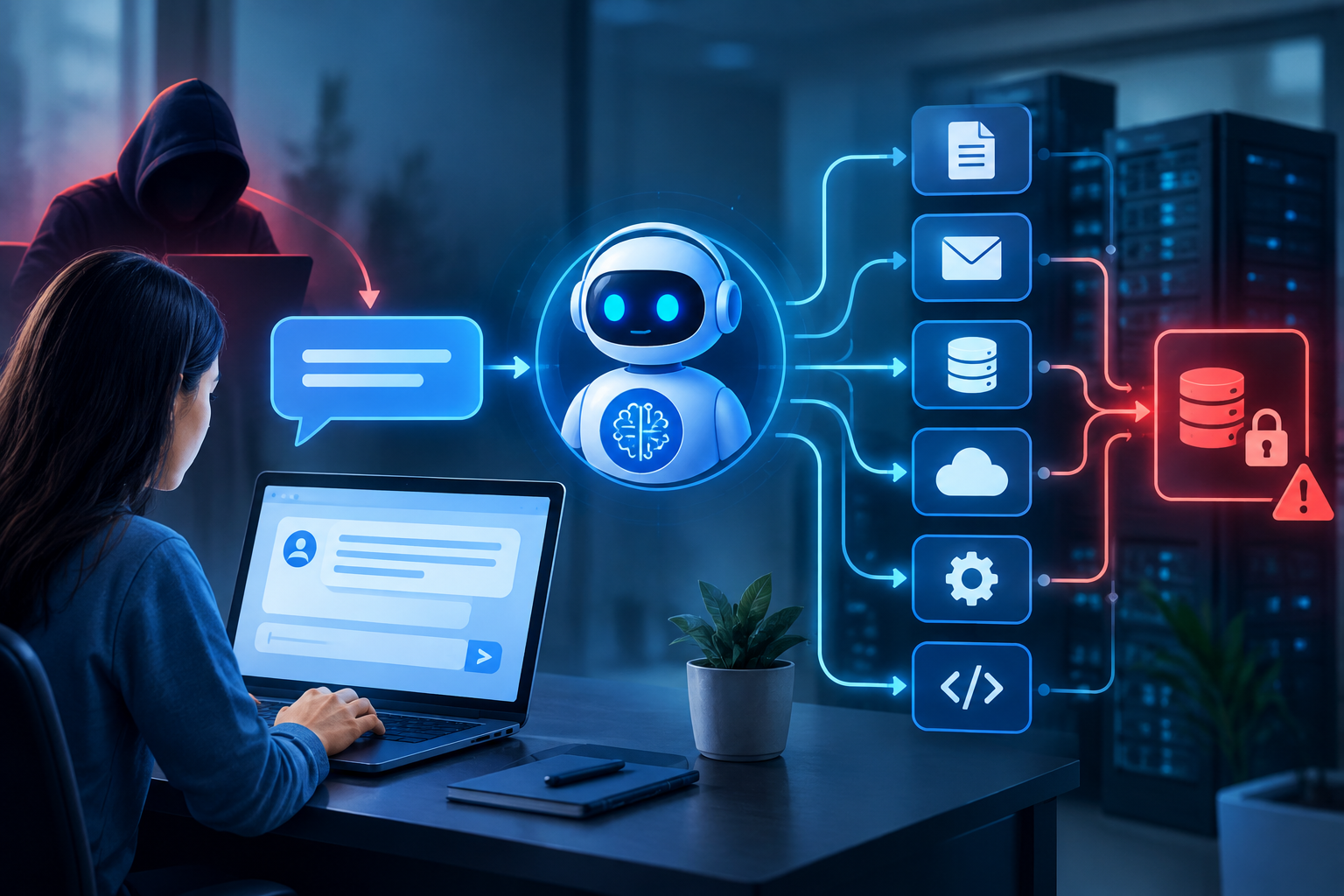
The Last Mile of Cybersecurity: Why Perfect Controls Still Fail at Human Execution Cybersecurity has never been short of frameworks, technologies, policies, or controls. Organizations deploy firewalls, endpoint protection, multi-factor authentication, encryption, identity management, security monitoring, vulnerability management, and countless other safeguards. They conduct audits, perform risk assessments, and continuously improve their security posture. Yet breaches still happen. Why? Because security does not fail only at the control level. It often fails at the last mile — where people interact with those controls. A perfectly designed security control is only as effective as the way it is implemented, understood, followed, and maintained. The “Last Mile” of Cybersecurity In many organizations, cybersecurity is viewed as a technical problem: > Deploy the right technology → configure it correctly → monitor it → remain secure. But real-world security is much less predictable. An employee may receive a phishing email and ignore the warning displayed by the email security solution. A privileged user may temporarily disable MFA because it is “slowing things down.” A developer may store a secret in an insecure location to meet a deadline. An administrator may postpone a critical patch because the system cannot afford downtime. A third-party account may remain active after the engagement ends because nobody remembers to revoke it. The technology may be working exactly as designed. The failure happens between the control and the human decision. That is the last mile. When Good Controls Meet Real-World Behavior Consider a simple example. An organization has a strong password policy requiring complex passwords and MFA. On paper, the organization appears well protected. But an employee receives a convincing phishing message and enters their credentials into a fake login page. If the attacker subsequently tricks the employee into approving an MFA request, the technical control has not necessarily failed. The human interaction around the control has failed. This distinction is important. Cybersecurity controls are designed to reduce risk — not eliminate the need for human judgment. Why Humans Become the Weakest Link 1. Security competes with convenience Employees are often expected to follow security procedures while simultaneously meeting business deadlines. When security creates friction, people naturally look for shortcuts. “Just this once” can become a dangerous habit. 2. Security awareness is not the same as security behavior Completing an annual security awareness course does not automatically mean an employee will make the right decision during a real attack. Knowing what phishing is and correctly identifying a sophisticated phishing attempt are two very different things. Organizations need to measure behavior , not merely training completion. 3. Exceptions become permanent Organizations frequently create temporary exceptions: Temporary firewall rules Temporary privileged access Temporary vendor accounts Temporary policy exemptions Temporary cloud resources The problem is that “temporary” often has no defined end. Over time, exceptions become part of the environment — and eventually become forgotten attack surfaces. 4. Ownership becomes unclear A control may exist, but who is responsible for ensuring it actually works? For example: Who reviews inactive accounts? Who validates access after employee transfers? Who removes third-party access? Who follows up on overdue vulnerabilities? Who verifies that backups can actually be restored? When ownership is unclear, controls slowly lose effectiveness. The Difference Between Compliance and Security This is where organizations often encounter a critical misconception. A company may successfully demonstrate that: Policies are approved. Training is completed. Access reviews are conducted. Vulnerabilities are tracked. Logs are retained. Security controls are documented. But documentation alone does not guarantee effective security. There is a significant difference between: “We have a control.” and “The control consistently produces the intended security outcome.” The first demonstrates existence. The second demonstrates effectiveness. Mature cybersecurity programs focus on the second. Closing the Last-Mile Gap Organizations can reduce this gap by designing cybersecurity around people, processes, and technology together . Make secure behavior easier Security controls should be practical. If secure behavior is unnecessarily complicated, users will eventually search for workarounds. Test real behavior Instead of relying only on awareness quizzes, organizations can conduct controlled phishing simulations, access reviews, incident exercises, and other practical assessments. Assign clear ownership Every critical security control should have an accountable owner, defined responsibilities, review frequency, and measurable outcomes. Monitor exceptions Every exception should have: A business justification An owner An expiration date Appropriate risk acceptance Periodic review Build security into workflows Security should not be something employees remember only when a security team sends an email. It should be embedded into onboarding, procurement, development, access management, change management, vendor management, and everyday operations. The Final Mile Matters Most Cybersecurity maturity is often measured by the sophistication of an organization's tools. But sophisticated technology cannot compensate for weak execution. A firewall can block malicious traffic — but only if it is correctly configured. MFA can protect identities — but only if users and administrators use it appropriately. A vulnerability management process can identify critical weaknesses — but only if someone actually fixes them. A policy can define the right behavior — but only if people follow it. Ultimately, the strongest security architecture can still fail in the last few meters between the control and the person operating it. The future of cybersecurity therefore isn't just about building stronger controls. It is about building organizations where secure behavior becomes the easiest, most visible, and most accountable way to work. Because cybersecurity doesn't end when the control is deployed. It ends when the control works — in the real world, under real pressure, through real people.