

 Trupti Thakur
 #AIGovernance #AIAgents #AgenticAI #Cybersecurity #AIIdentity #IAM #ISO42001 #ISO27001 #GRC #InformationSecurity #RiskManagement #ResponsibleAI
The Onboarding and Offboarding of an AI Agent

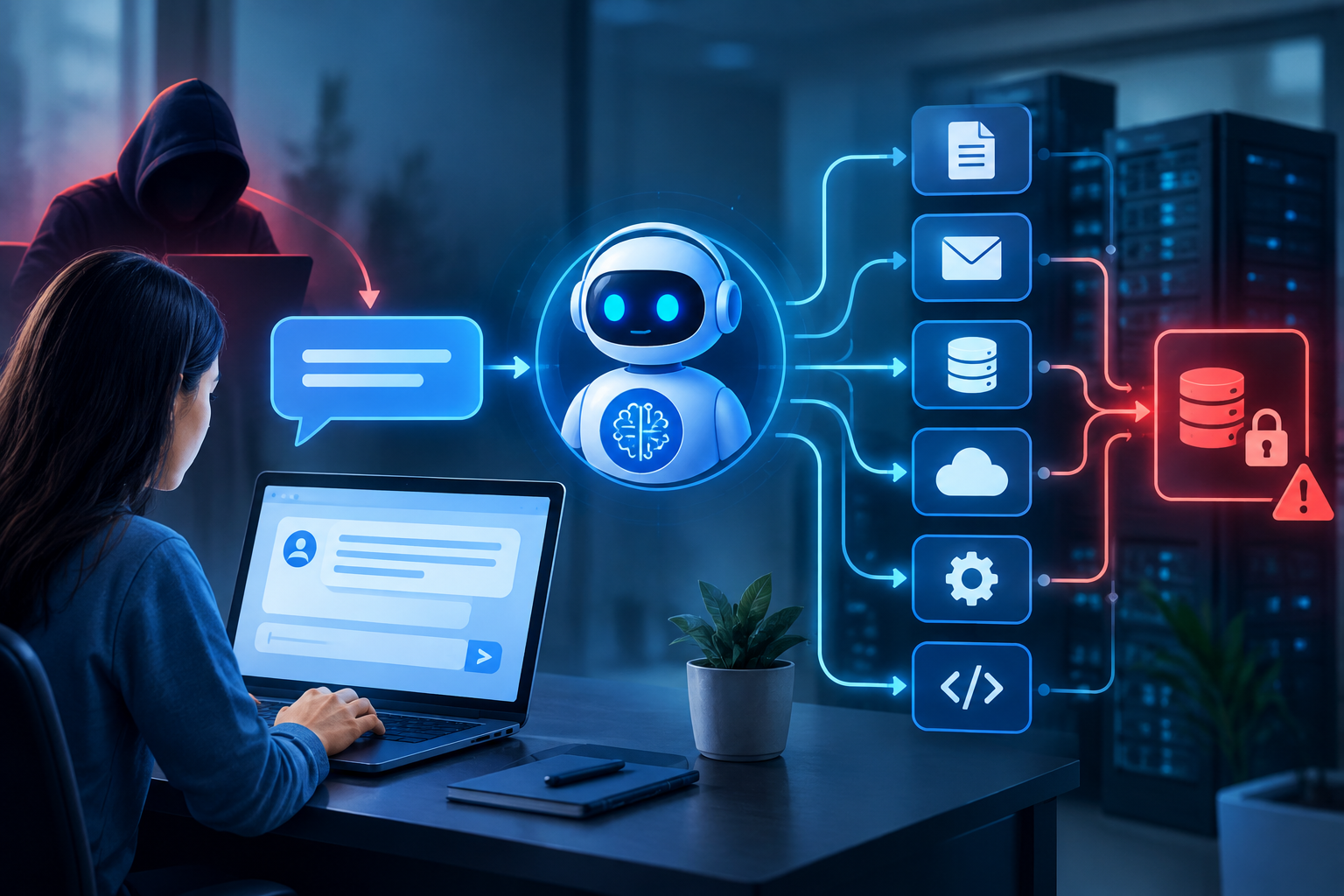
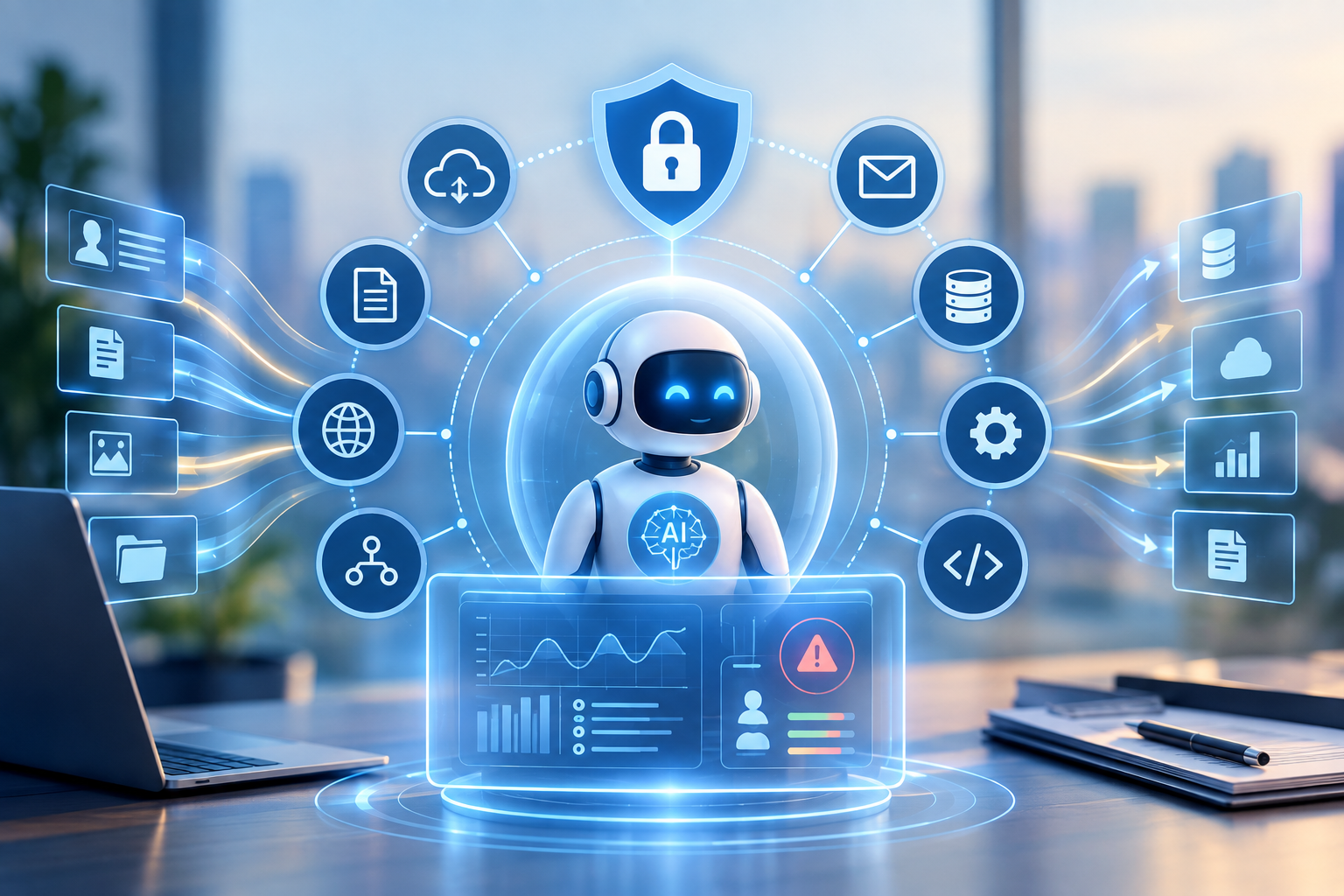
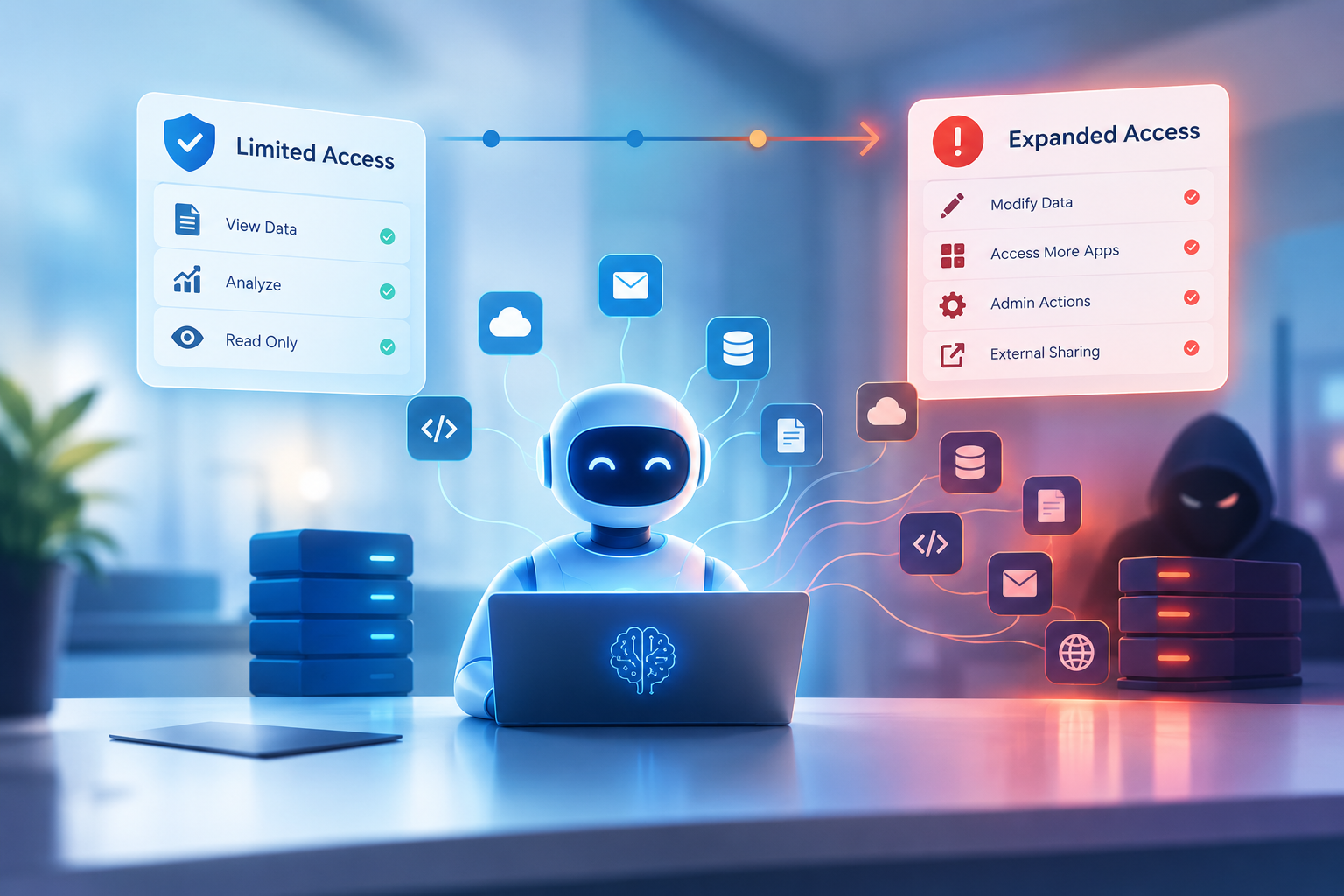
Organizations have well-defined processes for onboarding and offboarding employees. Users receive identities, access permissions, devices, roles, and responsibilities—and when they leave, their access is revoked. But what happens when the “employee” is an AI agent? As organizations move from AI tools that simply generate content to autonomous AI agents that can access applications, process information, make decisions, trigger workflows, and interact with other systems, a new governance challenge is emerging: How do we onboard and offboard an AI agent securely? AI Agents Need More Than a Prompt An AI agent may have access to APIs, databases, cloud platforms, business applications, emails, documents, or other AI systems. Giving such an agent access without a structured lifecycle can create a significant security and compliance risk. AI agent onboarding should therefore involve more than simply creating an account. A governed onboarding process should establish: Purpose: Why does the AI agent exist? Ownership: Which individual or department is accountable for it? Identity: Does the agent have a unique, traceable identity? Access: What systems and data can it access? Permissions: Are privileges limited according to least privilege? Data: What information can the agent collect, process, or retain? Decision authority: Which actions can it perform autonomously? Human oversight: Which decisions require human approval? Monitoring: How will its activities be logged and reviewed? Risk classification: What is the potential impact if the agent behaves incorrectly or is compromised? This effectively creates an AI Agent Identity and Access Management (AI-IAM) lifecycle. Offboarding Is Just as Important One of the biggest risks may not be creating an AI agent—it may be forgetting to retire it. Consider an AI agent created for a temporary project. The project ends, but the agent still has access to a CRM, cloud environment, shared drive, or API. This creates a form of AI access debt. A proper offboarding process should therefore include: Revoking credentials and API tokens. Removing application and database access. Disabling scheduled tasks and automated workflows. Removing integrations with other AI agents. Preserving required logs and audit evidence. Reviewing data retained by the agent. Deleting or securely archiving the agent where appropriate. Updating the organization's AI inventory and risk register. Confirming that no residual access remains. The Bigger Governance Question The important question is no longer simply: “Is this AI approved?” It is becoming: “Can we prove where this AI came from, what it can access, what it has done, who is responsible for it, and whether it has been properly retired?” This shifts AI governance from a one-time approval exercise to a continuous lifecycle management process. Frameworks such as ISO/IEC 42001 can provide an AI management-system foundation, while ISO/IEC 27001 principles around identity, access control, asset management, logging, risk management, and supplier relationships can help address the security side of the lifecycle. The Future: AI Agents as a Digital Workforce Organizations may soon have dozens or hundreds of AI agents performing different roles—customer support, coding, analysis, compliance monitoring, procurement, cybersecurity, and more. At that point, organizations will need something similar to an HR lifecycle for AI: Create → Approve → Onboard → Assign Identity → Grant Access → Monitor → Review → Modify → Suspend → Offboard → Retain/Delete AI agents may not need an employee ID card, but they absolutely need identity, accountability, controlled access, monitoring, and a defined end-of-life process. The organizations that establish this lifecycle early will be better positioned to scale AI without losing control of it. Because in the agentic AI era, the question isn't only who has access to your systems—it is also which AI agents have access, why they have it, and whether you remembered to take it away.